
Have you ever turned on your patio heater only to be hit with a strong smell of gas? That sudden, unsettling odor can make you worry about safety and wonder if your heater is broken.
If you’ve noticed your patio heater smells like gas, you’re not alone—and it’s important to understand why this happens and what you should do next. You’ll discover the common reasons behind that gas smell and clear steps to keep you and your home safe.
Keep reading to protect your outdoor space and enjoy your heater without any worries.
Common Causes Of Gas Smell
Noticing a gas smell from your patio heater can be alarming. It often signals a problem that needs quick attention. Understanding common causes helps keep you safe and your heater working well.
Gas odors usually come from leaks or faulty parts. Finding the exact cause can prevent bigger issues. The following are frequent reasons why a patio heater smells like gas.
Loose Or Damaged Connections
Connections between the gas hose and heater must be tight. Loose fittings allow gas to escape. Damaged or cracked hoses also cause leaks. Regularly check all connections for wear or looseness.
Gas Leak From Regulator
The regulator controls gas flow to the heater. A broken or worn regulator can leak gas. This leak often creates a strong gas odor near the base. Inspect the regulator for cracks or damage.
Faulty Burner Or Valve
Burners and valves control gas release inside the heater. A faulty burner may not burn gas fully, causing a smell. Valves that do not close properly let gas escape. Replace any parts that seem worn or broken.
Improper Assembly
Incorrectly assembling the patio heater can cause leaks. Missing or misaligned parts may fail to seal properly. Follow the manufacturer’s instructions carefully during setup. Double-check all seals and joints before use.
Potential Dangers Of Gas Leaks
Gas leaks from patio heaters can be very dangerous. The smell of gas means a leak may be present. Gas leaks can cause serious problems if not handled quickly. Understanding these dangers helps you stay safe and protect your home.
Fire And Explosion Risks
Gas is highly flammable. Even a small spark can ignite leaked gas. Fires can start quickly and spread fast. Explosions may happen if gas builds up in a closed space. Always check for leaks to avoid these risks.
Health Hazards From Inhalation
Breathing in gas can harm your health. It can cause headaches, dizziness, or nausea. Long exposure may lead to more severe problems. Gas can reduce oxygen in the air, making it hard to breathe. Avoid inhaling gas and ventilate the area immediately.
Environmental Impact
Gas leaks harm the environment too. They release harmful gases that affect air quality. These gases contribute to pollution and climate change. Prevent leaks to protect the environment and keep the air clean.
Immediate Safety Measures
Noticing a gas smell from your patio heater can be alarming. Acting quickly keeps you and others safe. Immediate safety steps reduce the chance of fire or injury.
Follow these actions right away to handle the situation calmly and effectively.
Turning Off The Gas Supply
Locate the gas valve on your patio heater. Turn it clockwise to close the valve. This stops gas from flowing into the heater. Do not try to light the heater or any flame before turning off the gas.
Ventilating The Area
Open doors and windows around the patio heater. Let fresh air enter the space to clear the gas smell. Avoid staying near the heater until the smell fades. This lowers the risk of gas buildup and possible explosion.
Avoiding Flames And Sparks
Do not light matches, lighters, or any open flame. Avoid using electrical switches or devices that may cause sparks. Even a small spark can ignite leaking gas. Stay safe by keeping all flames and sparks far from the area.

Credit: www.arrickspropane.com
Quick Fixes For Gas Smell
Noticing a gas smell from your patio heater can be alarming. Quick fixes help stop the smell fast and keep you safe. Start by checking simple parts before calling a professional. These easy steps often solve the issue without delay.
Tightening Loose Connections
Loose connections often cause gas leaks. Use a wrench to tighten all fittings carefully. Focus on the hose ends and valve joints. Do not overtighten, as this can damage parts. After tightening, turn on the heater briefly to check for leaks. Listen and smell for escaping gas. Repeat the process if needed.
Replacing Faulty Parts
Worn or broken parts can cause gas to escape. Inspect hoses and seals for cracks or holes. Replace any damaged parts with new ones designed for your heater model. Use original parts to ensure safety and proper fit. Always turn off the gas supply before replacing parts. Test the heater after replacement for any lingering smells.
Checking And Resetting The Regulator
The regulator controls gas flow and can fail over time. Look for signs of wear or damage on the regulator. Reset it by turning off the gas, waiting a few minutes, then turning it back on. This can clear minor blockages or errors. If the smell remains, consider replacing the regulator. Regular checks help maintain safe gas flow.
Preventive Maintenance Tips
Preventive maintenance helps keep your patio heater safe and working well. It stops gas smells and other problems before they start. Simple care steps make a big difference. Follow these tips to enjoy your heater without worry.
Regular Inspection Schedule
Check your patio heater often. Look for cracks, rust, or loose parts. Make sure gas hoses have no leaks or damage. Test the ignition system regularly. Fix small issues early to avoid gas smells. Schedule inspections at least once a month during use.
Proper Storage Practices
Store your heater in a dry, safe place. Keep it away from dirt and moisture. Cover it with a weatherproof cover. Turn off the gas supply before storing. Disconnect the gas cylinder if possible. Proper storage prevents damage and gas leaks.
Using The Heater As Recommended
Follow the manufacturer’s instructions closely. Use the correct type of gas and regulator. Light the heater in a well-ventilated area only. Avoid using the heater indoors or in small spaces. Never block the burner or vents. Proper use reduces gas smells and improves safety.
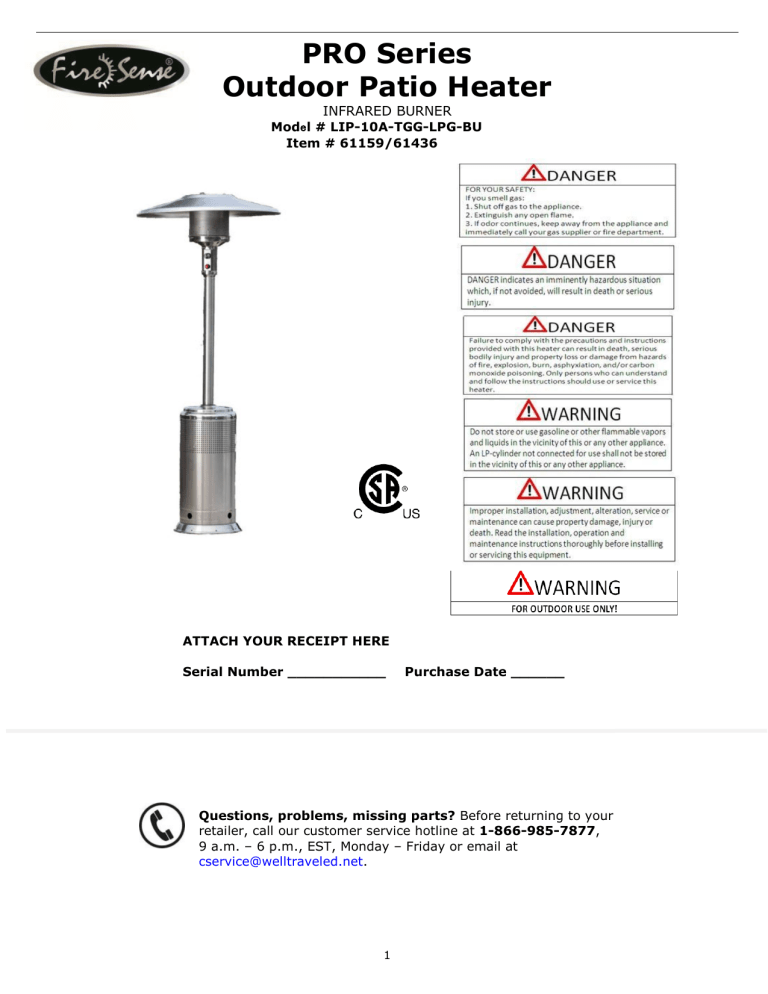
Credit: www.mcsweeneyarms.ie
When To Call A Professional
Noticing a gas smell from your patio heater can be worrying. Some problems need expert help to keep you safe. Knowing when to call a professional saves time and avoids risks. Below are key signs that you should get expert service.
Persistent Gas Smell Issues
If the gas smell stays after you try to fix it, call a professional. A lasting odor might mean a hidden leak or faulty part. Experts have tools to find and fix these problems safely.
Complex Repairs
Some repairs are too hard or risky to do yourself. If your heater’s parts are broken or damaged, a technician can replace them right. They know how to handle gas connections without causing harm.
Safety Inspections
A professional can check your patio heater for overall safety. Regular inspections catch issues early before they become serious. This keeps your heater working well and your home safe.
Credit: www.businessinsider.com
Conclusion
A patio heater that smells like gas needs quick attention. Check for leaks and loose connections right away. Always turn off the gas supply before inspecting. Use soapy water to spot bubbles on pipes or fittings. Keep the area well-ventilated to avoid gas buildup.
If unsure, call a professional for safety. Regular maintenance helps prevent gas smells and hazards. Stay safe and enjoy your outdoor space comfortably. Taking small steps now saves big problems later.