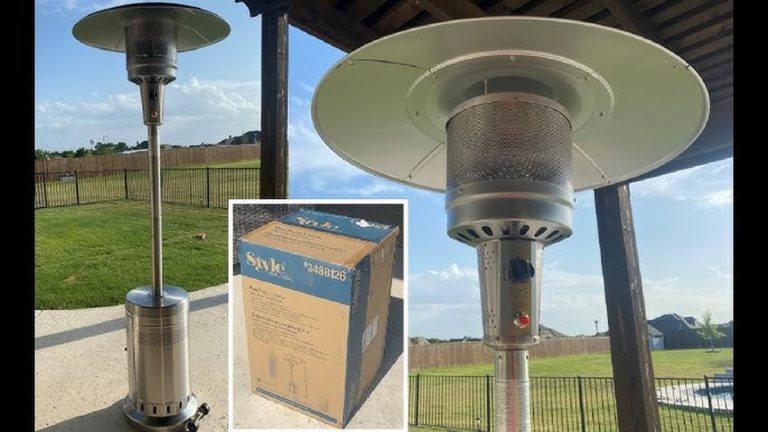
Is your patio heater refusing to stay lit, leaving you in the cold when you want to enjoy your outdoor space? You’re not alone—and the good news is that fixing it might be easier than you think.
Imagine cozy evenings outside without the frustration of a flickering flame. In this guide, you’ll discover simple, effective steps to get your heater burning strong and steady again. Keep reading, and you’ll soon be warming up your patio with confidence and ease.
Common Reasons Patio Heaters Go Out
Patio heaters can stop working for several common reasons. Understanding these issues helps fix the problem fast. Most problems relate to fuel, ignition, or parts that control the flame. Knowing what to check saves time and keeps your heater warm.
Fuel Supply Issues
Fuel is the heart of a patio heater. If the gas tank is empty or low, the heater won’t stay lit. Check if the fuel valve is fully open. Old or damaged fuel lines can also block the gas flow. Make sure the fuel hose is not kinked or cracked. Proper fuel supply keeps the heater burning steadily.
Ignition Problems
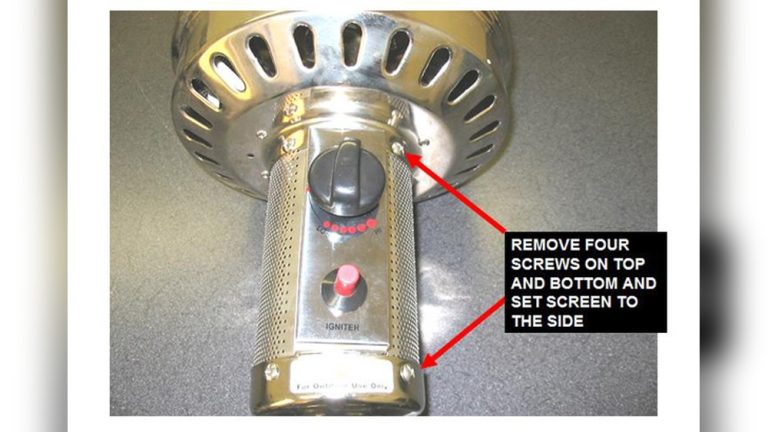
The ignition system lights the heater. A weak spark or no spark means the heater won’t light or stay lit. Dirt or moisture can block the ignition button or electrode. Sometimes the battery in the igniter needs replacing. Clean the ignition parts and test the spark carefully.
Thermocouple Malfunctions
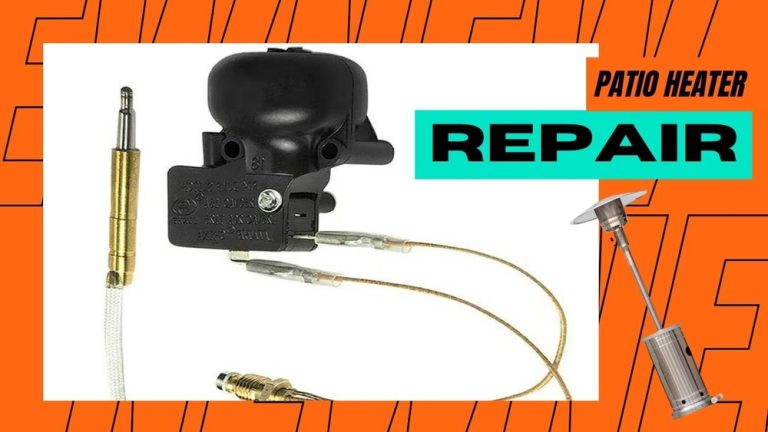
The thermocouple senses the flame and tells the gas valve to stay open. If it is dirty or damaged, it may shut off the gas. This causes the heater to go out quickly. Clean the thermocouple gently with sandpaper. Replace it if cleaning does not help.
Blocked Burner Ports
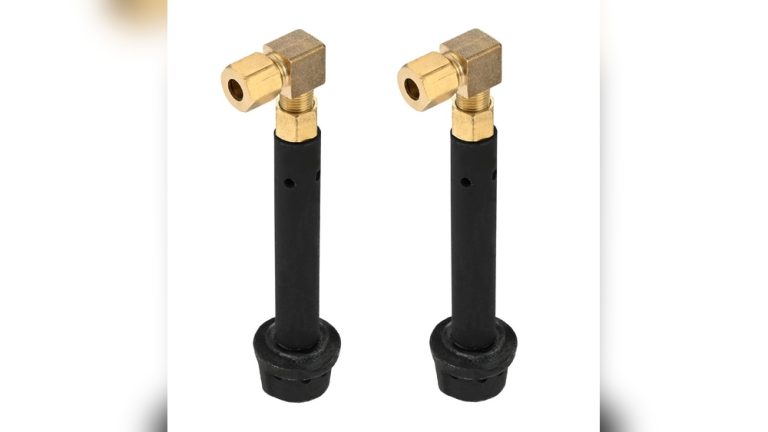
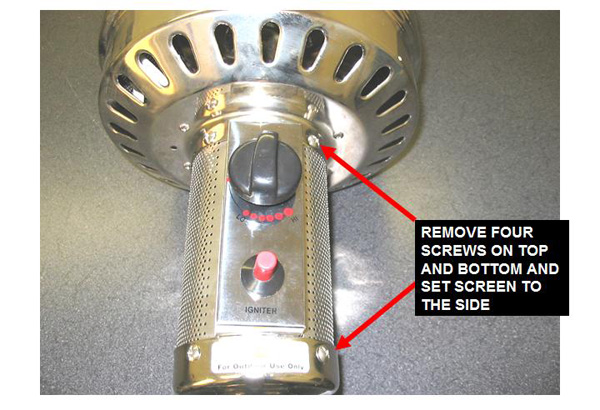
Burner ports let the gas escape and burn. Dirt, spider webs, or debris can block these tiny holes. Blocked ports cause uneven flames or no flame at all. Use a soft brush or compressed air to clear the burner ports. This ensures a smooth, steady flame.
Credit: www.genexuk.co.uk
Checking The Fuel Source
Checking the fuel source is a key step to fix a patio heater that won’t stay lit. The heater needs a steady fuel supply to keep burning. Problems with the fuel can stop the flame from staying on. Examining the gas tank and fuel lines helps find the issue fast. Safe refilling and connection keep the heater working well and prevent accidents.
Inspecting The Gas Tank
Start by looking at the gas tank. Make sure it has enough fuel. An empty or nearly empty tank will not keep the heater lit. Check for dents, rust, or damage on the tank. These can cause leaks or block the fuel flow. Replace the tank if you see any damage. Also, confirm the tank valve is fully open. A closed valve stops the fuel from reaching the heater.
Examining Fuel Lines
Fuel lines carry gas from the tank to the heater. Look closely for cracks, holes, or loose connections. Damaged lines can leak gas or reduce flow. Tighten any loose fittings with a wrench. Replace fuel lines that look old or worn out. Clean any dirt or debris around the lines. Clear lines help the fuel move smoothly to the burner.
Refilling And Connecting Safely
Refill the gas tank in a well-ventilated area. Avoid open flames or sparks nearby. Use the correct type of gas for your heater. Connect the tank securely to the heater’s fuel line. Check that all valves and fittings are tight. Open the valve slowly to prevent sudden gas flow. Proper refilling and connection keep the heater safe and lit.
Fixing Ignition And Spark Problems
Fixing ignition and spark problems is a key step to keep your patio heater working well. The heater may fail to stay lit due to issues with the spark or igniter. These parts create the small flame needed to start the heater.
Simple checks and fixes can often solve these problems. Cleaning dirt or replacing parts can help the spark work properly again. This section explains easy steps to fix ignition and spark issues.
Cleaning The Igniter
Dirt and debris can block the igniter. This stops the spark from forming. Use a soft brush or cloth to clean the igniter gently. Remove any dust or rust around the spark gap. Keep the area dry before testing again.
Replacing The Battery
Many patio heaters use a small battery for the igniter. A weak or dead battery can stop the spark. Check the battery’s condition. Replace it with a new one if needed. Make sure the new battery fits and is placed correctly.
Testing The Spark
Test the spark by pressing the ignition button. Look for a clear, strong spark near the burner. No spark means the igniter may be faulty. A weak spark could mean the battery is low or connections are loose. Tighten wires and try again.

Credit: www.youtube.com
Addressing Thermocouple Issues
Addressing thermocouple issues is key to fixing a patio heater that won’t stay lit. The thermocouple works as a safety device. It senses the flame and keeps the gas flowing. Problems with this part often cause the heater to shut off.
What The Thermocouple Does
The thermocouple detects heat from the pilot light. It sends a signal to the gas valve. This signal tells the valve to stay open. Without this signal, the gas valve closes and the heater turns off. A broken thermocouple stops this process.
Cleaning The Thermocouple
Dirt and soot can block the thermocouple. This stops it from sensing heat correctly. Turn off the heater and gas supply first. Use fine sandpaper or a soft cloth to clean the tip. Remove any buildup gently. This can restore the flame signal.
Replacing A Faulty Thermocouple
A worn or damaged thermocouple needs replacement. Find the exact model for your heater. Turn off the gas and power before starting. Unscrew the old thermocouple carefully. Install the new one in the same spot. Tighten screws and reconnect the gas line. Test the heater to ensure it stays lit.
Clearing Blocked Burner Ports
Clearing blocked burner ports is a key step to fix a patio heater that won’t stay lit. These small holes allow gas to flow and ignite properly. Dirt, spider webs, or rust can clog them and stop the flame from burning steadily.
Cleaning these ports ensures a strong and even flame. It also helps your heater work safely and efficiently. Below are simple ways to spot blockages and clean your burner ports.
Identifying Blockages
Check the burner ports for dirt or debris buildup. Use a flashlight to see inside the holes. Look for spider webs, dust, or rust that might block gas flow. A weak or flickering flame often means blocked ports. The flame may also look uneven or yellowish.
Cleaning Techniques
Turn off the gas and let the heater cool. Use a soft brush or a thin wire to clear each port. Avoid pushing debris deeper inside. Compressed air can blow out small particles. Wipe the burner surface with a damp cloth. Let everything dry before using the heater again.
Preventive Maintenance Tips
Cover your patio heater when not in use. Store it in a dry place to prevent rust. Clean the burner ports regularly, especially before winter. Check for spider webs or insects often. Keeping the ports clear helps your heater stay lit longer.
Safety Tips When Repairing
Repairing a patio heater that won’t stay lit needs care. Safety must come first to avoid accidents. Follow simple steps to work safely and fix your heater with confidence.
Turning Off Gas Supply
Always turn off the gas supply before starting repairs. This stops gas leaks and reduces fire risk. Check the valve carefully and make sure no gas flows.
Working In Well-ventilated Areas
Work outside or in open spaces to avoid gas buildup. Good airflow keeps you safe from harmful fumes. Never repair the heater in a closed room.
Using Proper Tools
Use the right tools for each repair step. Proper tools help avoid damage and injuries. Keep tools clean and in good condition before starting work.
When To Call A Professional
Knowing when to call a professional is key to fixing a patio heater that won’t stay lit. Some problems are simple, but others need expert help. Safety is important with gas appliances. A pro can find and fix hidden issues quickly and safely. Understanding these signs helps protect your home and family.
Complex Repairs
Some heater problems need special tools and skills. Issues with internal parts or wiring are hard to fix alone. A professional has training to handle these safely. Trying complex repairs without knowledge can cause more damage or risk injury.
Gas Leak Concerns
Gas leaks are dangerous and need urgent attention. Smelling gas or hearing a hissing sound means stop using the heater. Call a pro immediately. They can detect and fix leaks safely to prevent accidents or fire hazards.
Regular Maintenance Checks
Regular checks by a professional keep your heater working well. They clean parts and spot small problems early. Scheduled maintenance extends heater life and ensures safe operation. Trust experts for thorough inspections and repairs.
Credit: www.toptenreviews.com
Conclusion
Fixing a patio heater that won’t stay lit can be simple. Check the gas supply and clean the burner regularly. Make sure the igniter works well and replace faulty parts. Small steps often solve the problem quickly. Staying warm outside is possible with a working heater.
Take your time and follow safety rules. Enjoy your outdoor space comfortably, even on chilly nights. Keep your heater in good shape to avoid future issues. A little care goes a long way.