
Are you frustrated because your patio heater isn’t working right? If your patio heater regulator is acting up, it can ruin those cozy outdoor moments you look forward to.
You might notice your heater won’t light properly, or the flame flickers and dies out. These problems don’t just make your heater unreliable, they can also be unsafe. But don’t worry, you’re not alone, and understanding what’s wrong is the first step to fixing it.
Keep reading to discover the common patio heater regulator problems and how you can solve them quickly to enjoy your outdoor space again.
Common Regulator Issues
Patio heater regulators control gas flow to keep the flame steady and safe. Problems with these regulators can cause safety risks and reduce heater performance. Knowing common issues helps you spot trouble early. This saves time and keeps your heater working well.
Leaks And Gas Smell
Leaks are a serious problem with patio heater regulators. They cause a strong gas smell around the heater. This smell means gas escapes, which is dangerous. Check the regulator and gas hose for cracks or loose connections. Always fix leaks before using the heater again.
Fluctuating Flame Intensity
A stable flame is key for warm, safe heating. Fluctuating flames flicker or change size often. This happens when the regulator cannot control gas flow properly. Dirt or damage inside the regulator can cause this issue. Clean or replace the regulator to fix flame problems.
Regulator Freezing
Regulators can freeze in cold weather. Ice forms inside, blocking gas flow. This stops the heater from working well or at all. Keep the heater and regulator protected from rain and cold. Warm the regulator gently if freezing happens.
Pressure Loss
Pressure loss reduces heat output and flame size. It occurs when the regulator cannot keep gas pressure steady. Old or faulty regulators often cause pressure drops. Replacing the regulator restores normal gas pressure and heater power.

Credit: www.icecreamfactoryny.com
Safety Precautions
Safety is the top priority when handling patio heater regulators. Problems with the regulator can cause gas leaks or fires. Taking the right safety steps prevents accidents. Always follow these precautions before and during use.
Turning Off Gas Supply
Always turn off the gas supply before checking or fixing the regulator. Close the valve on the gas cylinder tightly. This stops gas flow and lowers accident risk. Wait a few minutes to let any gas clear away.
Checking For Leaks Safely
Use soapy water to find leaks around the regulator and connections. Apply the solution with a brush or spray bottle. Bubbles show where gas may be escaping. Never use a flame to check for leaks. Keep the area well-ventilated and stay outside if possible.
Using Protective Gear
Wear gloves to protect your hands from sharp parts or hot surfaces. Safety glasses keep your eyes safe from splashes or debris. Avoid loose clothing that could catch fire. Good protection lowers the chance of injury during repairs or checks.
Quick Fixes For Regulators
Patio heater regulators can cause issues that stop your heater from working well. Fixing these problems quickly saves time and keeps you warm outside. Some simple steps often solve common regulator troubles. These fixes do not need special tools or skills. Just a little care and attention can make your heater safe and efficient again.
Tightening Connections
Loose connections cause gas leaks and poor heater performance. Check all regulator fittings and hose joints. Use a wrench to gently tighten any loose parts. Do not overtighten, as this may damage the threads. Secure connections ensure gas flows smoothly and safely to the heater.
Cleaning Regulator Components
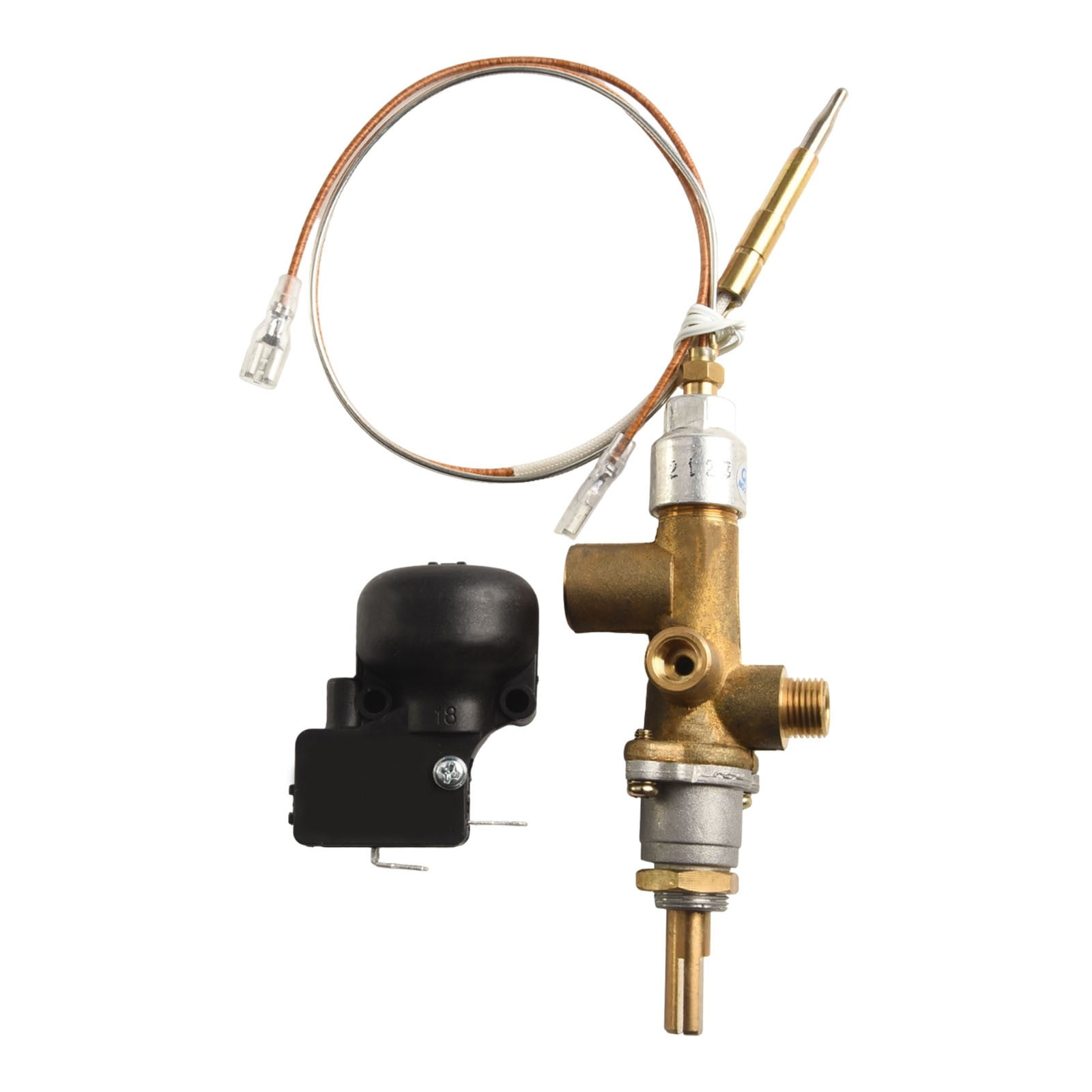
Dirt and debris block the regulator and reduce gas flow. Remove the regulator from the heater carefully. Use a soft brush or cloth to clean the outer parts. Clear any dust or grime from vents and valves. Clean components help your heater work without interruptions or safety risks.
Replacing Worn Seals
Seals prevent gas leaks in the regulator system. Over time, seals can crack or break. Inspect the rubber seals inside the regulator. Replace any worn or damaged seals with new ones. Fresh seals keep the gas contained and your patio heater safe to use.
Credit: balkenehome.com
When To Replace The Regulator
Knowing when to replace your patio heater regulator is key to keeping your heater safe and efficient. Regulators control gas flow, so damage can cause leaks or poor performance. Watch for clear signs that the regulator no longer works well. Act quickly to avoid risks and enjoy warm outdoor spaces.
Signs Of Irreparable Damage
Look for cracks or rust on the regulator body. These show the metal is weak. Gas leaks cause a strong smell near the heater. The flame may flicker or go out often. Pressure drops or uneven heating also mean the regulator is failing. If you see these signs, replacement is safer than repair.
Choosing The Right Replacement
Pick a regulator that matches your heater’s gas type and pressure needs. Check the size and connection type carefully. Using the wrong regulator can cause damage or danger. Buy parts from trusted brands or suppliers. Always verify product ratings and compatibility before purchase.
Installation Tips
Turn off the gas supply before starting. Remove the old regulator carefully to avoid damage. Attach the new regulator firmly but do not over-tighten. Use soapy water to test for leaks after installation. Keep the regulator clean and dry for longer life. Follow the heater’s manual for best results.
Expert Troubleshooting Tips
Patio heater regulator problems can disrupt your outdoor comfort. Fixing these issues needs clear steps and simple checks. This guide offers expert troubleshooting tips to help solve common problems with ease.
Follow the steps below to understand and fix your patio heater regulator effectively.
Testing Regulator Pressure
Check the pressure to ensure the regulator works well. Use a pressure gauge to measure the output. Look for steady pressure without sudden drops. Low or no pressure means the regulator might be faulty. Replace the regulator if pressure stays low after testing.
Using Diagnostic Tools
Use tools like gas leak detectors to spot leaks around the regulator. A soapy water solution also helps find bubbles indicating leaks. Listen for hissing sounds near the regulator area. These tools help locate issues quickly and safely.
Consulting Professional Help
Some problems need expert attention. If tests show no clear cause, call a professional technician. They have the skills and tools to fix complex regulator issues. Avoid risks by letting experts handle gas-related repairs.
Credit: www.marsu.edu.ph
Maintenance For Longevity
Maintaining your patio heater regulator is key to its long life. Regular care helps avoid common problems and keeps the heater working safely. Simple steps can stop damage and save you money.
Regular Inspections
Check your patio heater regulator often. Look for cracks, rust, or leaks. Make sure the connections are tight and clean. Catching small issues early prevents big troubles later. Use a soft cloth and mild soap to clean the regulator gently.
Proper Storage Practices
Store your patio heater regulator in a dry place. Avoid damp or dusty areas that can cause damage. Cover it with a cloth or plastic to keep dirt out. Keep it away from direct sunlight to stop plastic parts from cracking.
Seasonal Maintenance
Before each season, give your regulator a full checkup. Replace worn or damaged parts right away. Test the regulator to ensure it controls gas flow correctly. Clean all parts to remove dust and debris for smooth operation.
Frequently Asked Questions
What Causes Patio Heater Regulator Problems?
Patio heater regulator problems often stem from dirt, debris, or wear in the regulator valve. Incorrect installation or damaged gas hoses can also cause issues. Regular maintenance helps prevent these common problems.
How To Fix A Faulty Patio Heater Regulator?
To fix a faulty regulator, first turn off the gas supply. Clean the regulator and gas connections. Replace damaged hoses or the regulator if necessary. Always follow safety guidelines or consult a professional.
Can A Clogged Regulator Affect Heater Performance?
Yes, a clogged regulator restricts gas flow, causing uneven heat or failure to ignite. Cleaning or replacing the regulator usually resolves this issue, restoring proper heater function.
How Often Should I Replace My Patio Heater Regulator?
Replace your patio heater regulator every 3 to 5 years or if you notice leaks, damage, or inconsistent heating. Regular inspection ensures safe and efficient operation.
Conclusion
Patio heater regulator problems can cause safety and performance issues. Regular checks help spot leaks or blockages early. Cleaning the regulator keeps it working well and safe. Replace damaged parts quickly to avoid bigger troubles. Simple care extends your heater’s life and comfort.
Stay warm outdoors with a well-maintained patio heater. Small steps make a big difference in safety. Don’t ignore unusual smells or flame changes. Proper attention keeps your patio heater reliable all season.