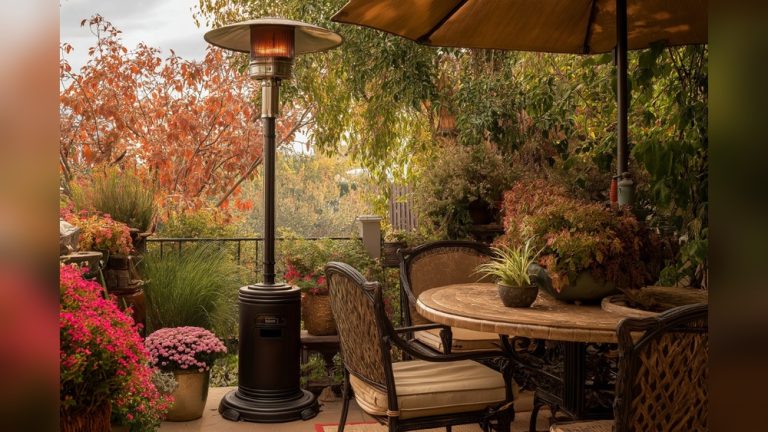
Are you ready to enjoy your outdoor space even when the temperature drops? Installing a patio heater can transform chilly evenings into cozy moments you won’t want to miss.
But how do you make sure it’s set up safely and works perfectly every time? This guide will walk you through simple, clear steps to get your patio heater up and running quickly. By the end, you’ll know exactly what to do to keep your patio warm and inviting all year round.
Let’s get started!

Credit: www.amazon.com
Choosing The Right Patio Heater
Choosing the right patio heater is key for a warm and comfortable outdoor space. A good heater fits your patio size, style, and how you use the area. Think about where you will place it and how much heat you need. This helps pick the perfect heater for your space.
Types Of Patio Heaters
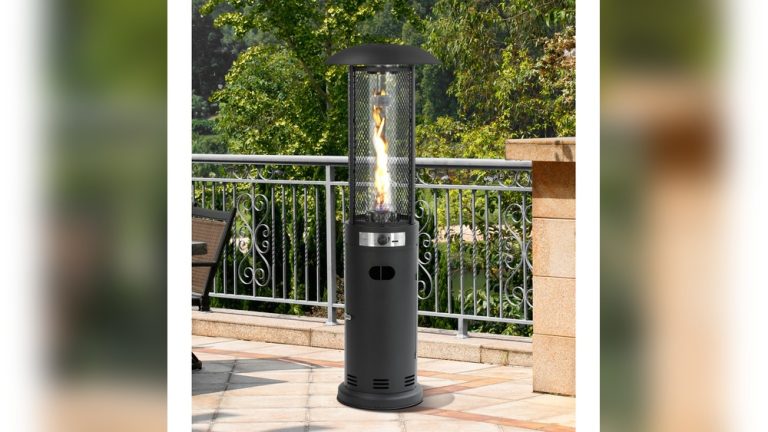
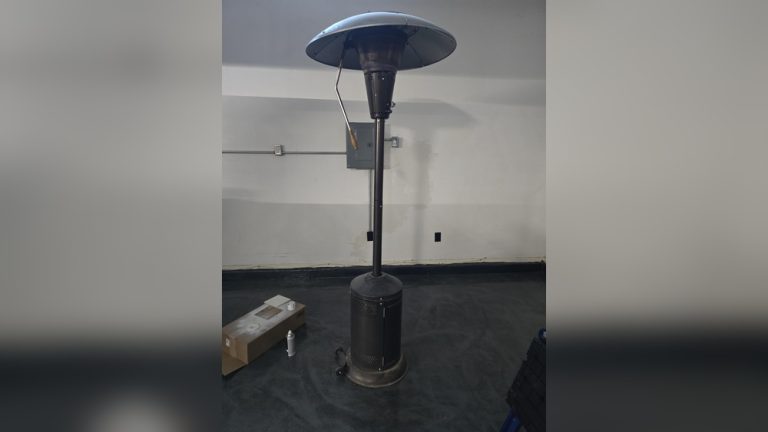
Patio heaters come in several styles. The most common are freestanding, tabletop, and wall-mounted. Freestanding heaters are tall and moveable. Tabletop heaters are small and sit on tables. Wall-mounted heaters save floor space and heat a specific area. Choose a type that suits your patio layout and use.
Fuel Options
Heaters use different fuels. Propane heaters are popular and easy to move. Natural gas heaters connect to a home gas line for constant fuel. Electric heaters plug into outlets and are safe indoors. Each fuel type has pros and cons. Think about fuel cost, convenience, and safety before buying.
Size And Coverage Area
Heaters vary in size and heat output. Larger heaters cover more area but use more fuel. Small heaters fit compact spaces and are more portable. Measure your patio space and estimate how many people will use it. Pick a heater that can warm the whole area comfortably.

Credit: www.gasoutdoorpatioheaters.com
Preparing The Installation Site
Preparing the installation site is the first step in setting up your patio heater. It helps make sure the heater works well and stays safe. Take time to choose the right spot and check important details. This will save time and prevent problems later.
Selecting A Safe Location
Pick a spot away from anything that can catch fire. Avoid placing the heater near plants, curtains, or wooden furniture. Keep the heater at least 3 feet from walls and other objects. Make sure the area is open and easy to access. This reduces fire risk and allows heat to spread well.
Ensuring Proper Ventilation
Good airflow is key for safe heater use. Install the heater outdoors or in a space with plenty of fresh air. Avoid enclosed or small rooms without ventilation. Proper airflow prevents gas build-up and keeps the heater running smoothly. Check that wind or drafts do not blow directly on the heater.
Checking Surface Stability
Place the heater on a flat, stable surface. This stops it from tipping over and causing accidents. Concrete, stone, or paved patios work best. Avoid soft or uneven ground like grass or gravel. If needed, use a solid base or stand designed for your heater model.
Gathering Tools And Materials
Gathering the right tools and materials is the first step to install a patio heater. It saves time and makes the process smooth. Having everything ready avoids interruptions and mistakes. Prepare your workspace and collect all items before starting.
Essential Tools List
Start with basic tools. You need a drill to make holes for mounting. A screwdriver is important to fasten screws securely. A wrench helps tighten bolts and nuts. A measuring tape ensures correct placement. A level guarantees the heater is straight. Keep a ladder nearby for reaching high spots.
Safety Gear
Safety is key during installation. Wear gloves to protect your hands from sharp edges. Safety glasses shield your eyes from dust and debris. Use ear protection if you work with loud tools. Wear sturdy shoes to avoid injuries. Dress in close-fitting clothes to prevent catching on equipment.
Additional Accessories
Some extra items can help the installation. Anchors or wall plugs may be needed for secure mounting. Silicone sealant can protect joints from weather. Extension cords might be useful for electric heaters. A flashlight helps if you work in low light. Keep a bucket of water nearby for emergencies.

Credit: www.gasoutdoorpatioheaters.com
Step-by-step Installation Process
Installing a patio heater can extend your outdoor enjoyment into cooler months. A clear, step-by-step approach makes the job easier. Follow these steps carefully to set up your heater safely and quickly.
Assembling The Heater
Start by unpacking all parts on a flat surface. Check the instruction manual for the list of pieces. Attach the base to the main pole using screws. Secure the heating element on top of the pole. Tighten all bolts firmly to avoid wobbling. Make sure the reflector is fixed correctly above the heater. Assembly usually takes about 20 to 30 minutes.
Securing The Heater In Place
Choose a flat, stable spot for your heater. Avoid placing it near flammable materials. Use bolts or anchors to fix the base to the ground if needed. If the heater is portable, place it on a sturdy surface. Ensure the heater is upright and steady to prevent tipping. Check stability again before moving to the next step.
Connecting Fuel Or Power Source
Identify the type of heater you have: gas or electric. For gas heaters, connect the propane tank using the hose and regulator. Tighten connections to prevent leaks. For electric heaters, plug the power cord into a grounded outlet. Avoid using extension cords unless specified safe. Test the heater by turning it on briefly to check for proper function.
Testing And Adjusting The Heater
Testing and adjusting the patio heater is a key step after installation. It ensures the heater works safely and heats your outdoor space efficiently. This process helps you find the right settings for comfort. It also reveals any issues that need fixing before regular use.
Initial Ignition
Start by turning on the gas supply or power source. Follow the manufacturer’s instructions to ignite the heater safely. Listen for a steady flame sound and check the burner for even flame distribution. If the heater does not light, wait a few minutes and try again. Never force ignition or use open flames.
Adjusting Heat Settings
Use the control knob or remote to set the desired heat level. Begin with a low setting and increase slowly for comfort. Test how the heat spreads across your patio area. Make small adjustments to find the best warmth without wasting fuel. Keep the heater at a safe distance from flammable objects.
Troubleshooting Common Issues
If the heater flickers or the flame is weak, check gas connections and fuel levels. Clean the burner if dirt blocks the flame. Listen for unusual sounds like hissing or popping, which may indicate leaks or blockages. Turn off the heater immediately if you smell gas and call a professional for help.
Maintenance And Safety Tips
Keeping your patio heater in good shape is key to safety and long life. Regular care helps avoid problems and keeps the heater working well. Follow these tips to maintain and use your patio heater safely.
Regular Cleaning
Clean your patio heater often to remove dust and dirt. Use a soft cloth and mild soap with water. Avoid harsh chemicals that can damage the surface. Clean the burner area gently to keep flames steady. Dry all parts before using the heater again.
Inspecting For Wear And Tear
Check your heater for cracks, rust, or loose parts. Look at hoses and connections for leaks or damage. Replace any worn or broken parts right away. Regular inspections prevent accidents and keep the heater working well. Keep a close eye on all parts before each use.
Safe Operation Practices
Always use the heater outside in open space. Keep it away from flammable materials like curtains or paper. Never leave the heater on when no one is around. Use the controls as the manual says. Turn off the gas supply after use to avoid leaks.
Conclusion
Installing a patio heater is a smart way to enjoy outdoor spaces longer. Follow each step carefully to ensure safety and efficiency. Choose the right spot with good ventilation. Connect all parts firmly and test the heater before use. Regular maintenance keeps it working well.
Stay warm and comfortable outside, even on chilly nights. A well-installed patio heater makes outdoor gatherings more pleasant. Simple steps lead to cozy evenings outdoors. Ready to heat up your patio?