Is your outdoor patio heater refusing to light when you need it most? It’s frustrating to plan a cozy evening outside only to face a cold, unlit heater.
You’re not alone—many people run into this exact problem. But don’t worry, you don’t have to stay in the cold or call a professional right away. You’ll discover simple, effective steps to get your heater working again quickly. Keep reading, and you’ll be back to enjoying warm, comfortable nights outdoors in no time.
Credit: azpatioheaters.com
Common Reasons Patio Heaters Fail
Outdoor patio heaters add warmth and comfort to chilly evenings. Sometimes, they do not light up. This causes frustration and cold nights. Understanding common reasons helps fix the problem quickly.
Gas Supply Issues
The heater needs gas to work. Check if the gas tank has enough fuel. Sometimes the gas valve is off or blocked. Gas lines can freeze or leak. These stop gas flow and prevent lighting.
Ignition Problems
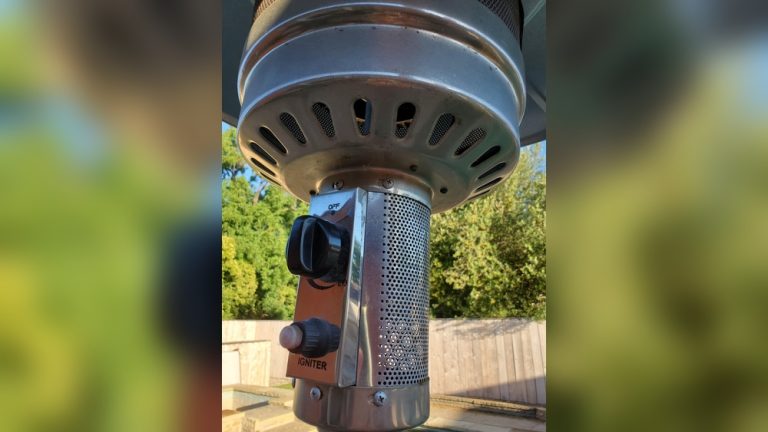
The ignition creates a spark to light the gas. Dirt or moisture can stop the spark. Worn-out batteries in electronic igniters fail to create sparks. Sometimes the igniter button breaks or sticks.
Clogged Burner Ports
Burner ports let gas escape to ignite. Dust, spider webs, or rust can block these holes. Blocked ports cause weak or no flame. Cleaning the burner ports can solve this issue.
Thermocouple Malfunctions
The thermocouple detects the flame and controls gas flow. If it is dirty or damaged, it stops the gas supply. The heater will not light or stay lit. Replacing or cleaning the thermocouple often helps.
Checking The Gas Connection
Checking the gas connection is a key step if your outdoor patio heater won’t light. A poor gas supply often causes this issue. Simple checks can help find the problem fast. Follow these easy steps to ensure your heater gets the right gas flow.
Inspecting The Gas Tank
First, look at the gas tank. Make sure it has enough gas for the heater to work. Sometimes, the tank may be empty or low. Check the valve on top. It should be fully open. If the tank is damaged or rusty, replace it. Using a faulty tank is unsafe and can stop the heater from lighting.
Ensuring Proper Hose Attachment
Next, check the hose that connects the tank to the heater. The hose must be firmly attached at both ends. Loose connections block gas flow. Tighten the fittings by hand, but avoid over-tightening. Look for cracks or holes in the hose. A damaged hose needs replacement. Proper hose attachment keeps gas flowing smoothly to the burner.
Detecting Gas Leaks Safely
Gas leaks are dangerous and can prevent ignition. To detect leaks, mix soap and water in a spray bottle. Spray the solution on the hose and connections. Bubbles will form if gas is escaping. Never use a flame to check for leaks. If you find a leak, turn off the gas immediately. Repair or replace damaged parts before using the heater again.
Fixing Ignition Troubles
Fixing ignition troubles with your outdoor patio heater is often simple. Most ignition problems happen because of dirt, weak batteries, or the igniter itself. Understanding basic fixes can save time and keep your heater working well.
Cleaning The Igniter
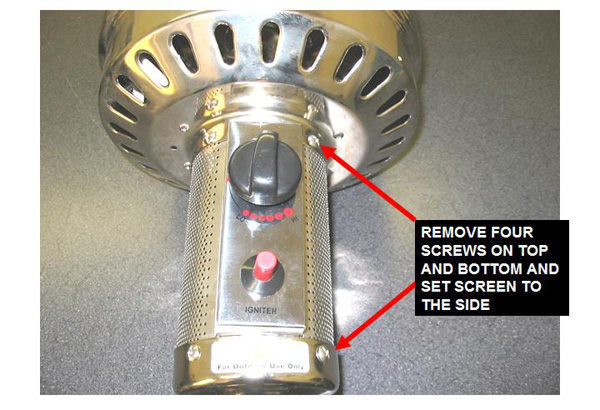
Dirt and debris can stop the igniter from sparking. Use a soft brush or cloth to clean the igniter tip gently. Avoid using water or harsh chemicals. A clean igniter creates a strong spark to light the heater quickly.
Replacing Batteries
Many patio heaters use batteries for the igniter. Weak or dead batteries cause the heater not to light. Check the battery compartment and replace old batteries with new ones. Always use the correct battery type for your heater.
Manual Ignition Techniques
Manual ignition works when the automatic igniter fails. Turn the gas knob to the pilot setting. Use a long lighter or match to light the pilot. Hold the gas knob for a few seconds to keep the flame steady. This method ensures heat even if the igniter breaks.

Credit: www.ilhafm.com.br
Cleaning And Maintenance Tips
Keeping your outdoor patio heater clean and well-maintained helps it work properly. Dirt and debris can block parts and stop the heater from lighting. Regular cleaning and checks keep your heater safe and warm.
Clearing Burner Ports
Burner ports can get clogged by dust, spider webs, or rust. Use a soft brush or a toothpick to clear each port carefully. Avoid using metal tools that can damage the burner. Clean ports allow gas to flow freely and light easily.
Wiping Down Components
Wipe the heater’s surface with a damp cloth to remove dirt and grease. Clean the ignition button and control knobs to keep them working smoothly. Avoid using harsh chemicals that can damage the heater’s finish or parts. Regular wiping prevents buildup that may block the flame.
Regular Inspection Schedule
Check your heater every few weeks during use. Look for cracks, rust, or loose parts. Inspect the gas hose for leaks or damage. Replace any worn parts quickly to avoid bigger problems. A simple check keeps your heater safe and ready to use.
Thermocouple Repair Steps
Troubles with an outdoor patio heater not lighting often trace back to the thermocouple. This small device plays a key role in safety and ignition. Repairing or replacing it can restore your heater’s function quickly.
Follow these clear steps to test, adjust, or replace the thermocouple. Each step helps ensure your heater works safely and efficiently.
Testing Thermocouple Function
First, turn off the gas supply to your heater. Wait for the unit to cool down before touching any parts. Locate the thermocouple near the burner.
Use a multimeter to check the thermocouple’s voltage output. Heat the tip gently with a lighter flame. The meter should show a small voltage reading. No voltage means the thermocouple is faulty.
Adjusting Or Replacing It
If the thermocouple is loose, tighten the connection at the gas valve. Make sure the tip touches the pilot flame fully. This ensures proper heat sensing.
For a broken or worn thermocouple, remove it carefully from the heater. Purchase a compatible replacement part. Install the new thermocouple by following the reverse steps. Test again to confirm the heater lights correctly.
Safety Precautions
Always turn off the gas supply before working on the heater. Work in a well-ventilated area to avoid gas buildup. Avoid using excessive force on parts to prevent damage.
If unsure about any step, consult a professional technician. Safety should always come first during repairs.
When To Call A Professional
Knowing when to call a professional for your outdoor patio heater saves time and ensures safety. Some problems need expert help beyond simple fixes. Understanding these signs helps you avoid risks and costly damage.
Complex Repairs
Some heater issues require special tools or knowledge. Problems with the ignition system or internal parts are tricky. Attempting repairs without experience can cause more damage. A professional can diagnose and fix complex problems safely.
Gas Leak Emergencies
Gas leaks are dangerous and need immediate attention. Smelling gas or hearing a hissing sound means stop using the heater. A professional can find the leak source and repair it properly. Don’t try to fix gas leaks yourself.
Routine Safety Checks
Regular safety inspections keep your heater working well. Professionals check for worn parts, leaks, and proper ventilation. Scheduling routine checks prevents future problems and keeps your patio safe. Trust experts to maintain your heater’s safety standards.

Credit: www.youtube.com
Frequently Asked Questions
Why Won’t My Outdoor Patio Heater Ignite?
Your heater may not ignite due to an empty gas tank, clogged burner, or faulty ignition. Check fuel levels, clean burner ports, and ensure the igniter sparks properly to resolve the issue.
How Do I Fix A Patio Heater With No Spark?
No spark means the igniter could be dirty or damaged. Clean the igniter tip, check the battery if applicable, and replace the igniter if it still doesn’t spark.
Can Low Propane Pressure Cause Heater Ignition Failure?
Yes, low propane pressure can prevent ignition. Ensure your propane tank is full and the regulator is functioning properly to maintain adequate pressure for ignition.
What Safety Checks Prevent Patio Heater Lighting Problems?
Check for gas leaks, proper ventilation, and secure connections. Always inspect hoses, valves, and fittings to ensure safe and reliable heater operation.
Conclusion
Outdoor patio heaters can stop lighting for many reasons. Check the fuel supply and connections first. Clean the burner and pilot light to remove dirt. Make sure the safety features are working right. Small fixes often get the heater running again.
Keep your heater well-maintained to avoid problems later. Stay safe by following the user guide. Enjoy warm, cozy evenings outside without worry. Simple care helps your heater last longer. Don’t let a small issue spoil your outdoor time.