Have you ever wondered how a gas patio heater can turn a chilly evening into a cozy gathering? If you want to enjoy your outdoor space even when the temperature drops, understanding how these heaters work is key.
You’ll discover the simple science behind gas patio heaters and how they provide warmth right where you need it. By the end, you’ll know exactly why a gas patio heater might be the perfect addition to your backyard comfort. Keep reading to unlock the secret to staying warm outdoors!
Gas Patio Heater Basics
Gas patio heaters provide warmth for outdoor spaces. They are popular in gardens, patios, and decks. These heaters use gas to create heat quickly and efficiently. Understanding the basics helps you use them safely and effectively.
Gas patio heaters come in different styles and use various fuel types. Each model has key parts that work together to produce heat. Knowing these details makes it easier to choose the right heater.
Types Of Gas Patio Heaters
There are mainly three types of gas patio heaters. The first is the freestanding heater, which stands on the ground. It is portable and easy to move. Next is the tabletop heater, which fits on tables. It is smaller and ideal for close warmth. The last type is the wall-mounted heater. It stays fixed on a wall or post. This type saves space and heats a specific area well.
Key Components
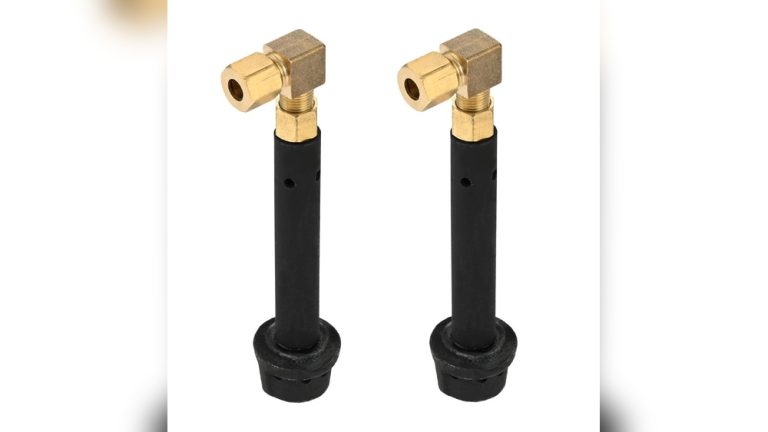
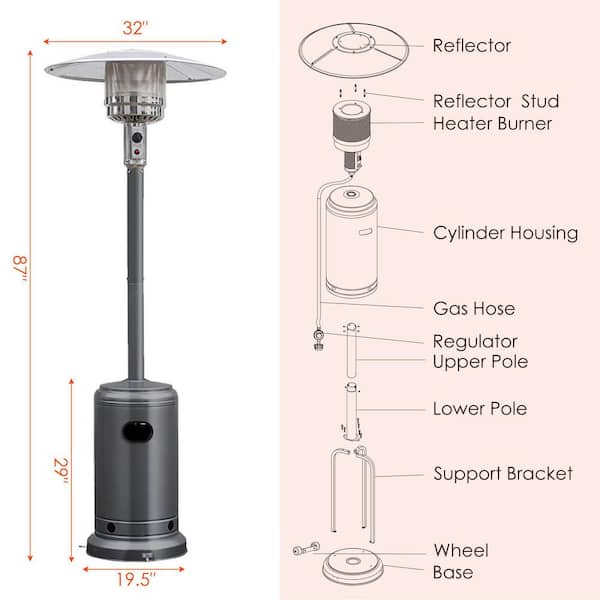
Gas patio heaters have several important parts. The burner is where the gas burns and creates heat. The reflector sits above the burner and directs heat downward. The control valve adjusts the gas flow and heat level. The ignition system lights the gas safely. These components work together to provide steady warmth.
Fuel Sources Explained
Most gas patio heaters use propane or natural gas. Propane comes in portable tanks and is easy to store. Natural gas connects to a home’s gas line, offering a constant supply. Propane heaters are more flexible and move anywhere. Natural gas heaters are cheaper to run but need a fixed spot. Choose the fuel source based on your needs and location.

Credit: proximatape.com
Heat Generation Process
The heat generation process in a gas patio heater is simple and efficient. It starts with turning on the gas supply. The heater then creates a flame that produces heat. This heat warms the area around the heater. Understanding how this process works helps you use the heater safely and effectively.
Ignition And Flame Control
The ignition system lights the gas quickly. Most heaters use a push-button or electronic spark. This spark lights the gas flowing through the burner. Flame control adjusts the size of the flame. You can make the flame bigger or smaller to control heat output. This helps save fuel and keeps the temperature comfortable.
Heat Distribution Methods
The heat spreads from the flame to a metal reflector. This reflector directs heat down and outward. It spreads warmth over a wide area. Some heaters use fans to move warm air faster. This method helps heat reach more people nearby. The design ensures even heat distribution for comfort.
Safety Features
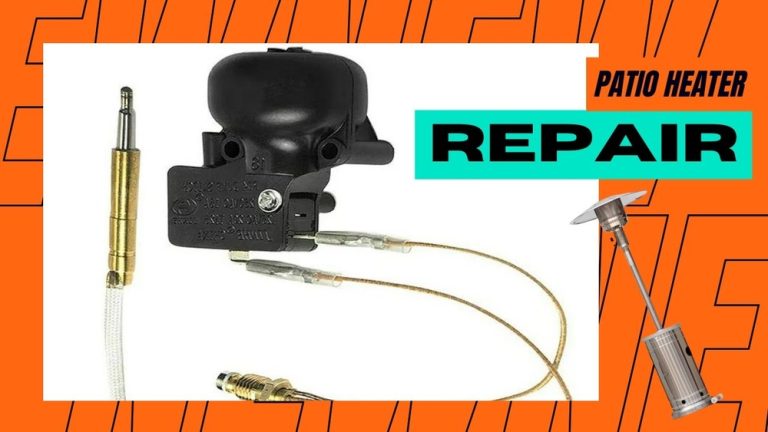
Safety features protect users and prevent accidents. Most heaters have a tip-over switch that shuts off gas if tilted. There is also an oxygen sensor to stop gas flow if oxygen runs low. These safety measures keep the heater running safely. They reduce risks and make outdoor heating worry-free.
Installation Tips
Installing a gas patio heater correctly is important for safety and efficiency. Proper installation helps the heater work well and keeps your outdoor space comfortable. This section covers key tips to install your heater right.
Choosing The Right Location
Pick a flat, stable surface for your heater. Avoid placing it near flammable materials like curtains or plants. Keep the heater away from doors and windows to prevent heat loss. Choose a spot where the heat spreads evenly. Make sure the area is easy to access for lighting and turning off the heater.
Proper Ventilation
Good airflow is essential for gas heaters. Install the heater in an open outdoor space or a well-ventilated patio. Avoid enclosed areas to prevent dangerous gas buildup. Check that the heater’s exhaust can release fumes safely. Proper ventilation reduces risks and improves heater performance.
Mounting Options
Gas patio heaters come with different mounting choices. Freestanding models offer flexibility to move around. Wall-mounted heaters save floor space and provide direct heat. Ceiling-mounted options keep the heater out of the way and cover larger areas. Choose the mounting style that fits your patio and heating needs.
Maintenance And Troubleshooting
Maintaining your gas patio heater keeps it working well and safe. Regular care stops many problems before they start. Troubleshooting helps find small issues early. This saves time and money. Understanding simple steps can extend your heater’s life.
Routine Cleaning
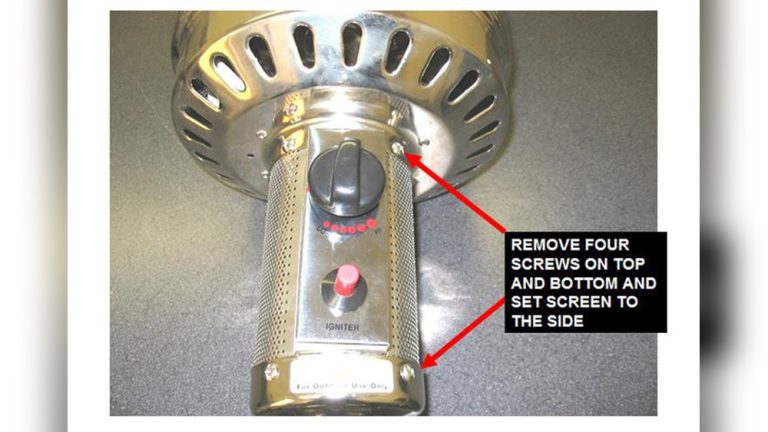
Turn off the heater and let it cool down first. Clean the exterior with a soft cloth and mild soap. Remove dust and dirt from the burner and reflector. Check the pilot light area for any blockages. Clear spider webs and debris from vents. Clean parts regularly to keep heat steady and safe.
Common Issues And Fixes
The heater won’t light. Check the gas supply and connections. Clean the pilot light and burner. The flame is weak or uneven. Clear dirt from burner holes. The heater smells gas. Turn it off immediately. Check for leaks or loose fittings. The heater shuts off suddenly. Look for overheating or low gas pressure. Reset or call for help if needed.
When To Call A Professional
Call a technician if the heater does not light after cleaning. If you smell gas and cannot find the leak, get help. Strange noises or constant shutting off need expert check. Avoid trying complex repairs yourself. Professionals keep you safe and fix problems correctly.
Energy Efficiency And Cost
Understanding the energy efficiency and cost of gas patio heaters helps you make smart choices. These heaters provide warmth by burning fuel efficiently. Knowing how much fuel they use and the cost to run them saves money. Small changes can help reduce energy use without losing comfort.
Fuel Consumption Rates
Gas patio heaters use propane or natural gas. The fuel consumption depends on heater size and heat output. Most heaters consume between 20,000 and 50,000 BTUs per hour. Higher BTU means more heat but more fuel use. Checking the BTU rating helps estimate how much fuel is needed.
Operating Costs
Operating costs depend on fuel price and consumption rate. Propane usually costs more than natural gas. Running a heater for one hour may cost from $0.50 to $2.00. Costs rise with longer use or bigger heaters. Comparing fuel prices before buying can lower expenses.
Ways To Save Energy
Turn off the heater when not needed. Use a timer or thermostat to control heat. Keep the heater clean for better performance. Place the heater close to the area you want warm. Use windbreaks to reduce heat loss outside. These steps cut fuel use and lower bills.

Credit: thetorchguys.com
Enhancing Outdoor Comfort
Gas patio heaters make outdoor spaces warm and inviting. They let people enjoy fresh air even when it is cold outside. These heaters create a cozy spot for friends and family. Comfort outdoors means more time outside, longer evenings, and happy gatherings.
Using a gas patio heater with the right setup can improve any patio or garden area. It is not just about heat, but about creating a nice place to relax and enjoy.
Combining Heaters With Outdoor Furniture
Place heaters near chairs and tables for easy warmth. Choose furniture that resists cold and dampness. Materials like metal and wood work well outdoors. Soft cushions add comfort but remove them when not in use. Arrange seating close enough to feel the heater’s warmth but keep a safe distance.
Using Heaters In Different Weather
Gas patio heaters work well in wind and light rain. They produce steady heat that cuts through chilly air. In very cold weather, use more than one heater for better comfort. Avoid using heaters during heavy rain or storms for safety. Control the heat with simple knobs to fit the weather.
Safety Tips For Cozy Evenings
Keep heaters away from flammable materials and fabrics. Always check for gas leaks before turning the heater on. Use heaters on flat, stable surfaces to prevent tipping. Turn off heaters when no one is nearby. Follow manufacturer instructions to ensure safe use every time.
Credit: www.homedepot.com
Conclusion
Gas patio heaters use propane or natural gas to create warmth. The gas flows through pipes to the burner, where it ignites. Heat rises from the burner and spreads out to warm the area. These heaters provide quick and steady warmth outdoors.
They are easy to use and help extend outdoor time. Understanding how they work helps you use them safely. Enjoy your patio with cozy heat anytime you want. Simple, effective, and reliable warmth for your outdoor space.