
Is your patio heater gas not flowing when you need it most? It’s frustrating when you’re ready to enjoy a cozy evening outside, only to find your heater won’t light up.
But don’t worry—this problem is often easier to fix than you think. You’ll discover simple steps to check and solve gas flow issues, so your patio heater warms your space again quickly. Keep reading to get your heater working perfectly and enjoy those chilly nights in comfort.
Common Causes Of Gas Flow Issues
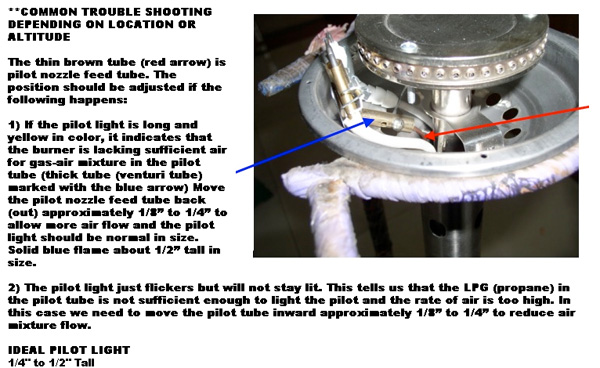
Gas flow problems in patio heaters often stop the heater from working. Understanding common causes helps fix the issue fast. These problems usually involve the gas lines, regulator, tank, or valves.
Blocked Gas Lines
Gas lines can get blocked by dirt, spider webs, or rust. This stops gas from reaching the burner. Cleaning or replacing the line often solves the problem. Check the hose and connectors for any visible blockages.
Faulty Regulator
The regulator controls gas pressure. If it breaks, gas flow stops or slows down. A faulty regulator can cause the heater to not light. Replacing the regulator usually restores proper gas flow.
Empty Or Low Gas Tank
A common cause is an empty or low gas tank. Without enough gas, the heater cannot work. Always check the tank level before troubleshooting other parts. Refilling or replacing the tank may be necessary.
Valve Problems
Valves control the gas flow from the tank to the heater. Sometimes valves get stuck or damaged. This can block gas flow completely. Inspect the valves and turn them slowly to see if they move freely.
Credit: azpatioheaters.com
Safety Precautions Before Fixing
Fixing a patio heater with no gas flow requires careful safety steps. Ignoring safety can cause accidents or injury. Take time to prepare before starting any repair work.
Follow these safety precautions to protect yourself and others. Proper care ensures a safe and effective fix.
Turn Off Gas Supply
Always turn off the gas supply before starting repairs. This stops gas from flowing and reduces fire risks. Locate the main gas valve and close it fully. Double-check that the gas is off before you touch any parts.
Work In A Well-ventilated Area
Choose a space with fresh air and good airflow. Avoid enclosed or small rooms. Ventilation helps clear any gas that may leak. It lowers the risk of breathing in harmful fumes or an explosion.
Check For Gas Leaks
Inspect all connections for leaks before fixing the heater. Use a soap and water solution on joints and hoses. Bubbles mean gas is escaping. Never use a flame to check for leaks. Fix leaks immediately before proceeding.
Simple Troubleshooting Steps
Simple troubleshooting steps can help fix patio heater gas flow issues fast. Start with easy checks before calling a professional. These steps save time and money. Follow each carefully to find the problem.
Inspect And Clear Blockages
Look at the gas line and burner for dirt or spider webs. Blockages stop gas flow. Use a soft brush or compressed air to clear debris. Make sure the burner holes are open. Clean parts gently to avoid damage.
Reset Or Replace The Regulator
The regulator controls gas pressure. Sometimes it gets stuck or breaks. Turn off the gas and disconnect the regulator. Wait a few minutes, then reconnect and turn on the gas. If gas still does not flow, replace the regulator with a new one.
Refill Or Replace Gas Tank
Check the gas tank level. An empty tank stops gas flow. Replace the tank with a full one or refill it. Confirm the tank valve is open all the way. Ensure the tank fits tightly and connects well to the heater.
Adjust Or Repair Valves
Valves control the gas flow to the burner. Check all valves for tightness and position. Turn valves off and on to reset them. If a valve leaks or is damaged, replace it. Proper valve function is key to gas flow.
Maintenance Tips To Prevent Future Issues
Maintaining your patio heater helps avoid gas flow problems. Simple care keeps it working well and safe. Regular upkeep saves time and money on repairs. Follow these easy steps to keep your heater ready for use.
Regular Cleaning
Clean the heater often to remove dirt and debris. Wipe the exterior with a soft cloth. Clear the burner area gently to avoid blockages. Dirt can stop the gas from flowing properly. Use a brush to clean small parts carefully.
Routine Inspections
Check your patio heater regularly for damage or wear. Look at the gas hose for cracks or leaks. Inspect connections to ensure they are tight and secure. Replace any damaged parts immediately. Early checks prevent bigger problems later.
Proper Storage
Store the heater in a dry place when not in use. Cover it with a protective cover to keep dust away. Avoid storing it in damp or cold areas. Proper storage stops rust and damage to gas parts. Take the gas tank off if you store the heater for long.
When To Call A Professional
Knowing when to call a professional for your patio heater is important. Some issues need expert help to keep you safe and warm. Trying to fix certain problems alone can cause more damage or risk. Below are clear signs you should get a professional’s help.
Persistent Gas Flow Problems
If your patio heater’s gas flow stops repeatedly, it is a serious sign. Temporary fixes might not work long term. A professional can find hidden blockages or leaks. They have tools to test gas pressure and flow accurately. Avoid using the heater until a pro checks it.
Complex Repairs
Some repairs need special skills or equipment. Issues like broken valves, damaged regulators, or faulty gas lines require expert care. Professionals know how to fix these safely and correctly. Attempting complex repairs without experience can lead to injury or worse damage.
Safety Concerns
Gas leaks or smells of gas must never be ignored. These are urgent signs to call a pro immediately. Only trained technicians can safely handle gas leaks and prevent fire hazards. Your safety and your family’s safety come first. Trust experts to inspect and repair any unsafe conditions.

Credit: www.youtube.com
Credit: www.gasoutdoorpatioheaters.com
Frequently Asked Questions
Why Is My Patio Heater Gas Not Flowing?
Gas may not flow due to a closed valve, empty tank, or clogged hose. Check connections and ensure the tank has gas.
How To Fix A Gas Patio Heater Not Igniting?
Clean the burner and ignition area. Check for gas leaks and ensure the gas valve is open.
Can Low Gas Pressure Cause Heater Gas Flow Issues?
Yes, low gas pressure can prevent proper gas flow. Check the regulator and replace if faulty.
What Safety Checks Should I Do Before Using A Patio Heater?
Inspect hoses for cracks, confirm gas connections are tight, and ensure the area is well-ventilated.
Conclusion
Patio heater gas not flowing can be frustrating. Check the gas supply and connections first. Clean the burner and regulator for better flow. Always use the heater in a safe, open space. Regular maintenance keeps your heater working well. Small problems can stop the gas from flowing.
Stay safe and fix issues quickly to enjoy warmth. Simple steps can make a big difference. Keep your patio heater ready for chilly nights.