Are you ready to enjoy your patio even when the temperature drops? Choosing the right patio heater can make all the difference in keeping your outdoor space warm and cozy.
But how do you know how many BTUs you need to heat your patio effectively? Getting this right means you won’t waste money on a heater that’s too small or struggle with one that’s too powerful. You’ll discover exactly how to find the perfect BTU rating for your patio heater, so you can enjoy every evening outside without shivering.
Keep reading to make your outdoor space comfortable all year round!

Credit: pamapic.com
Patio Heater Basics
Understanding the basics of patio heaters helps you choose the right one. You want warmth and comfort outdoors. Knowing how heaters work and how to measure their power is key. This section explains important terms and ideas about patio heaters.
What Is Btu
BTU stands for British Thermal Unit. It measures heat output. One BTU is the energy needed to raise one pound of water by one degree Fahrenheit. Higher BTU means more heat. Patio heaters usually range from 5,000 to 50,000 BTU. This helps compare how warm each heater can get.
How Btu Affects Heating
BTU decides how large an area a heater can warm. More BTU heats bigger spaces better. A small patio may need 5,000 to 10,000 BTU. Larger patios need 20,000 or more. Heat spreads out, so higher BTU reaches farther. Choosing the right BTU keeps you comfortable without wasting fuel.
Calculating Btu Needs
Calculating the right BTU for your patio heater is important. It ensures your outdoor space stays warm and comfortable. Too little heat leaves you cold. Too much wastes energy. Use simple steps to find the perfect BTU for your patio heater.
Measuring Patio Size
First, measure your patio’s length and width in feet. Multiply these numbers to get the total square feet. For example, a 10 by 12 foot patio equals 120 square feet. This number helps estimate how much heat you need.
Patios with open walls lose heat faster. Smaller areas need fewer BTUs. Larger spaces require more heat output.
Considering Outdoor Conditions
Outdoor temperature affects BTU needs. Cooler climates require heaters with higher BTUs. Mild weather means less heat is needed.
Think about how often you use the patio. Frequent use calls for stronger heaters. Rare use might need only basic heating power.
Adjusting For Wind And Coverage
Wind cools the patio quickly. If your area is windy, add extra BTUs. Wind breaks or partial enclosures help keep heat inside.
Consider how much of the patio you want to heat. Covering a small seating area needs fewer BTUs than heating the whole patio.
Types Of Patio Heaters
Patio heaters come in different types to suit various needs and spaces. Each type uses a different fuel source and offers unique benefits. Knowing the types helps you pick the right heater and BTU for your patio.
Propane Heaters
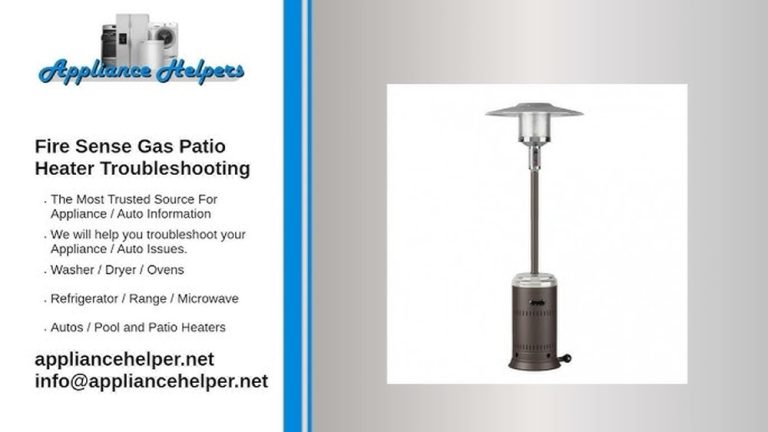
Propane heaters are popular for their portability. They run on propane gas tanks, which you can easily replace. These heaters give off strong heat, good for larger outdoor areas. You can move them around your patio as needed. Propane heaters usually have high BTU ratings, making them very effective in cold weather.
Electric Heaters
Electric heaters plug into power outlets. They work well for small patios or covered spaces. These heaters are quiet and clean, with no fumes. Electric heaters have lower BTU output but still provide steady warmth. They are easy to use and require less maintenance than gas heaters.
Natural Gas Heaters
Natural gas heaters connect to your home’s gas line. They are ideal for permanent patio setups. These heaters offer continuous heat without the need to replace tanks. Natural gas heaters produce high BTUs, suitable for large outdoor areas. Installation needs a professional but provides long-term convenience.

Credit: www.homedepot.com
Btu Ratings By Heater Type
BTU ratings show the heat output of patio heaters. Different heater types have varied BTU levels. Knowing these helps pick the right heater for your space. Each type offers unique heat power and efficiency. Understanding this guides you to a warm and comfortable patio.
Typical Btu Ranges
Patio heaters usually range from 5,000 to 50,000 BTUs. Electric heaters offer 5,000 to 10,000 BTUs. They work best for small patios or close spaces. Propane heaters range from 30,000 to 50,000 BTUs. They heat larger areas quickly and effectively. Natural gas heaters provide 30,000 to 48,000 BTUs. They connect to home gas lines for constant heat. Wood-burning heaters vary widely, often around 40,000 BTUs.
Energy Efficiency Comparison
Electric heaters convert most energy into heat, making them efficient. Propane heaters lose some heat through exhaust gases. Natural gas heaters run continuously with lower fuel costs. Wood-burning heaters need more fuel and maintenance. Choosing the right heater depends on your energy source and patio size.
Choosing The Right Btu Heater
Choosing the right BTU heater is key for a warm and comfortable patio. BTU stands for British Thermal Unit. It measures heat output. Picking the correct BTU ensures your space gets enough warmth without wasting energy. Each patio space needs a different BTU size. Think about your space size, budget, and safety before buying.
Small Vs Large Spaces
Small patios need less heat. A heater with 5,000 to 10,000 BTUs often works well. Large patios require more power. Look for heaters with 20,000 to 48,000 BTUs. Bigger heaters cover more area and keep everyone warm. Match heater size with your patio size for best results.
Budget Considerations
Higher BTU heaters usually cost more. They also use more fuel or electricity. Choose a heater that fits your budget and heating needs. Cheaper heaters can save money but may not heat large spaces well. Think about long-term fuel costs too. Balance cost and performance carefully.
Safety Tips
Place heaters on flat, stable surfaces. Keep them away from flammable materials. Always follow the manufacturer’s instructions. Use heaters in well-ventilated areas. Turn off the heater when not in use. Regular maintenance helps avoid accidents. Safety should always come first with patio heaters.
Installation And Maintenance
Installing and maintaining a patio heater is key to its safe and effective use. Proper setup ensures the heater works well and lasts long. Regular care keeps it running smoothly and prevents problems.
Proper Placement
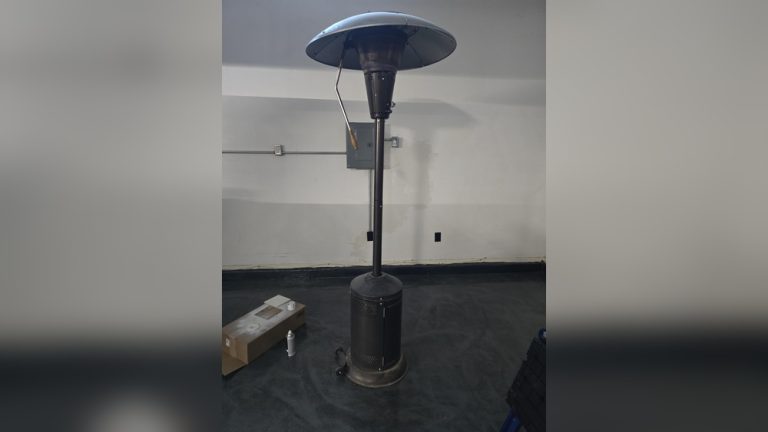
Place the heater on a flat, stable surface outdoors. Keep it away from walls, furniture, and flammable materials. Leave enough space around the heater for air to flow freely. Avoid spots with strong wind to maintain heat output. Follow the manufacturer’s instructions for safe distances.
Routine Care
Clean the heater regularly to remove dust and debris. Use a soft cloth and mild soap for the surfaces. Check the gas connections or electrical parts for leaks or damage. Replace worn parts immediately to avoid malfunctions. Store the heater indoors during harsh weather to protect it.
Troubleshooting Common Issues
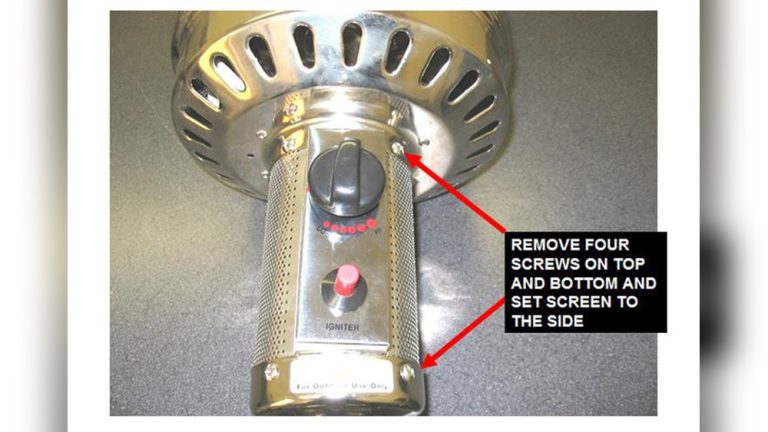
Check the fuel level if the heater won’t light. Inspect the ignition system for dirt or wear. Clear any blockages in the burner area. Reset the heater by turning it off and on again. Consult the manual for specific error codes or warnings.

Credit: pamapic.com
Conclusion
Choosing the right BTU for your patio heater makes all the difference. It helps keep your outdoor space warm and cozy. Think about your patio size and how much heat you need. Small areas need fewer BTUs, while large spaces need more.
Don’t forget to consider wind and outside temperature. A good heater keeps you comfortable without wasting energy. Now you can enjoy your patio even on chilly nights. Simple steps lead to better warmth and more fun outdoors.