Are you ready to enjoy your patio heater without worrying about running out of gas? Choosing the right size gas bottle is key to keeping your outdoor space warm and cozy for hours.
But with so many options, how do you know which one fits your needs best? You’ll discover exactly what size gas bottle works perfectly for your patio heater. Keep reading to make sure you get the most out of your heater and enjoy every chilly evening comfortably.

Credit: www.boutique.exvitt.it
Choosing The Right Gas Bottle
Choosing the right gas bottle for your patio heater is essential for safety and efficiency. The right bottle ensures your heater works well and lasts longer. It also helps avoid running out of fuel during use. Understanding the types, sizes, and build quality helps you pick the best option.
Types Of Gas Bottles
There are mainly two types of gas bottles for patio heaters: propane and butane. Propane bottles work well in cold weather and provide strong heat. Butane bottles are best for mild weather and are usually lighter. Choose the type that fits your climate and heater model.
Common Sizes For Patio Heaters
Patio heaters often use gas bottles ranging from 5 kg to 15 kg. Smaller bottles are easy to move but need frequent refills. Larger bottles last longer but are heavier and less portable. Pick a size that fits your space and how long you want to use the heater.
Material And Build Quality
Gas bottles must be made of strong materials like steel or aluminum. A durable build prevents leaks and damage. Check for safety marks and certifications on the bottle. Quality bottles keep you safe and ensure smooth heating without problems.
Calculating Gas Bottle Size
Calculating the right gas bottle size for your patio heater ensures it runs smoothly and lasts long. It helps avoid running out of gas too soon or carrying a heavy bottle unnecessarily. Understanding the heater’s power, gas use rate, and how long you plan to use it guides you to the best choice.
Heater Power And Usage Time
Heater power is measured in kilowatts (kW). This number shows how much heat the heater produces. Higher power means more gas use. Check your heater’s label or manual to find this number. Next, decide how many hours each day you will use the heater. This estimate helps calculate total gas needed.
Gas Consumption Rates
Gas consumption depends on heater power and efficiency. On average, a 10 kW heater uses about 0.7 kg of gas per hour. Different heaters have different rates, so check your model’s specifics. Knowing the consumption rate helps you plan the right gas bottle size for your needs.
Estimating Usage Duration
Multiply the heater’s gas use per hour by your daily usage hours. This gives the total gas used each day. Divide your gas bottle’s capacity by this daily use to find how many days it will last. This simple math helps pick a bottle size that fits your patio heating habits.
Popular Gas Bottle Sizes Explained
Choosing the right gas bottle size for your patio heater is important. Different sizes affect how long your heater runs. This guide explains popular gas bottle sizes and their uses. Knowing this helps you find the best fit for your needs.
3kg Bottles
3kg gas bottles are small and easy to carry. They suit short outdoor gatherings or small heaters. These bottles run out quickly but are perfect for occasional use. They are light and fit in tight spaces.
5kg Bottles
5kg bottles last longer than 3kg ones. They balance size and weight well. Ideal for medium-sized patio heaters, they provide steady heat. These bottles are popular for weekend use and small parties.
9kg Bottles
9kg gas bottles offer more fuel for longer heating. They work well for large patio heaters or extended outdoor events. Though heavier, they reduce the need for frequent changes. A good choice for regular use.
15kg Bottles
15kg bottles hold the most gas. They support high heat output and long run times. Best for big heaters or commercial settings. These bottles are heavier but save time on refills.

Credit: us.amazon.com
Safety Tips For Gas Bottle Use
Using a gas bottle for your patio heater needs care and attention. Safety is very important. Follow simple rules to keep your home and family safe. This guide gives clear tips for safe gas bottle use.
Proper Storage Practices
Store gas bottles upright in a cool, dry place. Avoid direct sunlight and heat sources. Keep bottles away from children and pets. Never store gas bottles inside the house. Use a well-ventilated area outside. Check bottles regularly for rust or damage. Replace old or damaged bottles immediately.
Handling And Transportation
Always handle gas bottles with care. Keep the valve closed during transport. Use a secure holder or strap to prevent movement. Avoid dropping or knocking bottles. Carry bottles in an upright position. Never smoke near gas bottles. Transport bottles in a ventilated vehicle area.
Leak Detection And Maintenance
Check for leaks before each use. Use soapy water on connections; bubbles mean a leak. Never use a flame to check for leaks. Tighten fittings if bubbles appear. Replace faulty parts right away. Regularly inspect hoses and connectors. Keep the area around the heater clear and clean.
Refilling Vs. Replacing Gas Bottles
Choosing the right size gas bottle for your patio heater involves deciding between refilling and replacing. Both options have their benefits and drawbacks. Understanding these can help you save money and protect the environment. Let’s explore the differences and what each choice means for you.
Refill Stations And Services
Refilling gas bottles is a popular choice. Many local stations offer this service. You bring your empty bottle and fill it up with propane or butane. This process is usually quick and easy. Some places even offer delivery services for convenience. Always check if the station meets safety standards before refilling.
Cost Comparison
Refilling gas bottles often costs less than buying new ones. You only pay for the gas, not the container. New bottles are more expensive since they include the cost of the bottle itself. If you use your patio heater regularly, refilling can save you money over time. Think about your usage and budget before choosing.
Environmental Considerations
Refilling gas bottles reduces waste. It keeps old bottles in use and lowers the need for new ones. This helps cut down on plastic and metal waste. Throwing away empty bottles adds to landfill problems. Refilling supports a more sustainable lifestyle and reduces your carbon footprint.
Regulations And Compliance
Understanding regulations and compliance is important when choosing a gas bottle for your patio heater. These rules help keep you safe and avoid legal trouble. Following them ensures your heater works well without risks.
Local Laws On Gas Bottles
Local laws control the size and type of gas bottles allowed. Rules vary by area. Some places limit bottle size for safety reasons. Always check with local authorities before buying. This helps you avoid fines and hazards.
Certification And Standards
Gas bottles must meet certain certification and safety standards. Look for labels from recognized organizations. Certified bottles guarantee quality and safe use. Using uncertified bottles can be dangerous and illegal.
Disposal Guidelines
Disposing of gas bottles requires care. Empty bottles must be handled according to local rules. Many areas have special recycling points for gas bottles. Never throw bottles in regular trash. Proper disposal protects the environment and people.
Tips For Maximizing Heater Efficiency
Maximizing the efficiency of your patio heater saves gas and keeps your space warm longer. Small changes make a big difference. Follow simple tips to get the most heat from your gas bottle and heater.
Optimizing Heater Settings
Set the heater to the right flame level. Too high wastes gas. Too low may not warm enough. Adjust gradually to find the best heat. Use the low or medium setting for longer use. Turn off the heater when not needed.
Insulation And Placement
Place the heater where wind is blocked. Wind cools the heat quickly. Use barriers like walls or screens to block drafts. Add outdoor rugs or blankets to keep warmth close. Keep the heater near where people sit.
Regular Maintenance
Clean the heater regularly to keep it working well. Check for blockages in the burner. Inspect gas connections for leaks or damage. Replace old parts to improve performance. Well-maintained heaters use gas more efficiently.
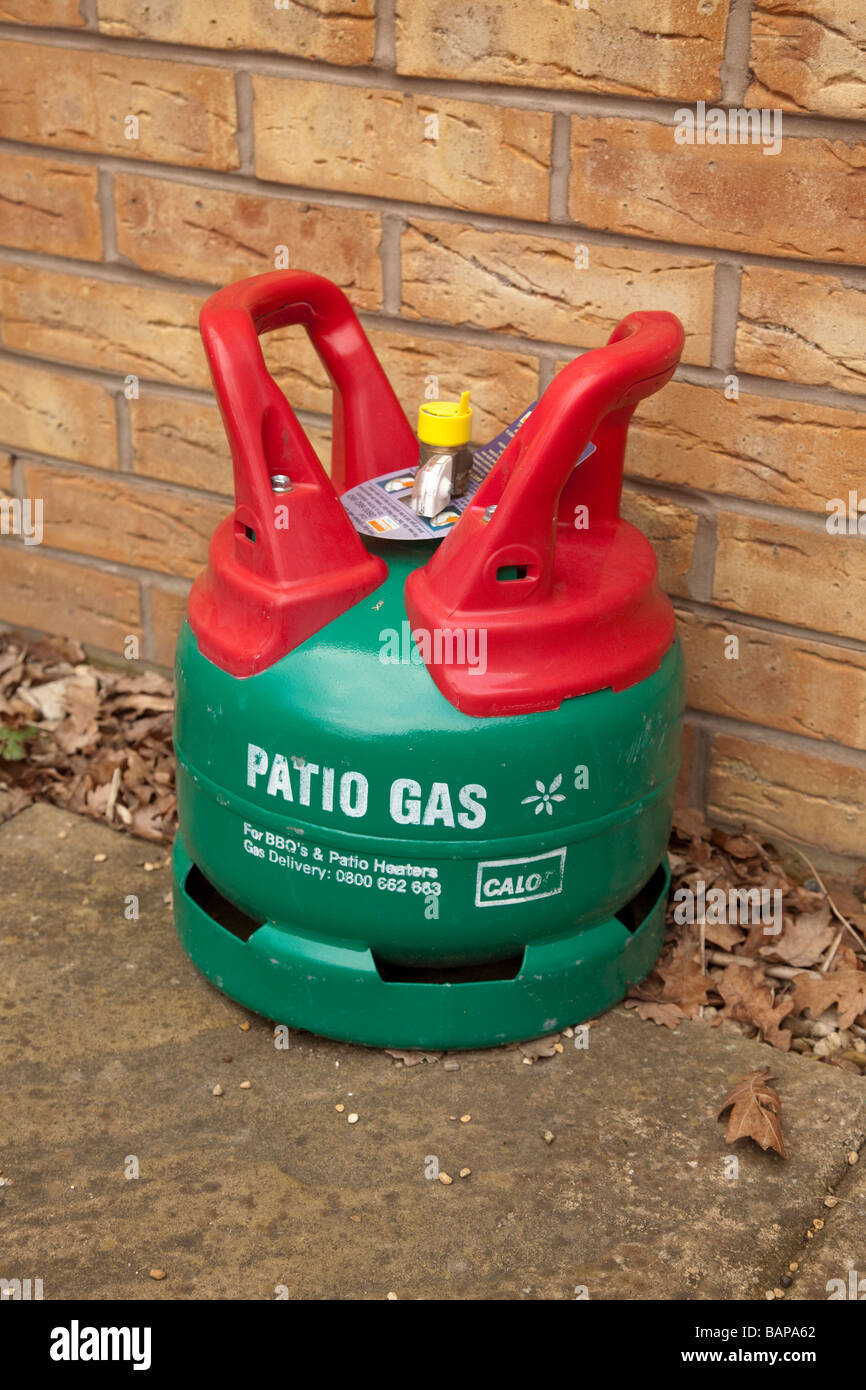
Credit: www.alamy.com
Conclusion
Choosing the right gas bottle size keeps your patio heater running well. Smaller bottles suit brief use or tight spaces. Larger bottles last longer and reduce refills. Check your heater’s manual for recommended bottle sizes. Always store bottles safely and handle them with care.
This simple step ensures warmth without interruption. Keep your outdoor space cozy and ready to enjoy anytime.