
Is your patio heater igniter not working when you need it most? It can be frustrating standing outside in the cold, ready to enjoy your evening, only to find your heater won’t light up.
But don’t worry—you don’t have to call a professional or buy a new heater just yet. In this guide, you’ll learn simple, step-by-step fixes that you can do yourself to get your patio heater igniter back in action quickly. Keep reading, and you’ll be cozy and warm in no time.
Credit: www.oceaninstruments.co.uk
Common Igniter Problems
Patio heater igniters can fail for several common reasons. These issues stop your heater from lighting properly. Knowing the typical problems helps you fix them fast. This section covers the main igniter problems and how they show up.
No Spark Issue
No spark means the igniter does not create any spark at all. This problem often happens from dirty or damaged electrodes. Check for dirt, rust, or cracks. Also, ensure the igniter is connected to the power source. Replacing the igniter or cleaning it can restore the spark.
Weak Spark
A weak spark is too small to light the gas. This can happen if the battery is low or the igniter is worn out. Clean the igniter tip and replace weak batteries. Sometimes, adjusting the electrode position helps make the spark stronger.
Intermittent Ignition
Intermittent ignition means the spark works only sometimes. Loose wires or faulty connections often cause this. Check all wiring and tighten any loose parts. Moisture or dirt can also cause the spark to cut in and out. Keep the igniter dry and clean for steady ignition.
Tools And Materials Needed
Fixing a patio heater igniter requires some basic tools and materials. Having the right items makes the job easier and faster. Prepare everything before starting the repair to avoid interruptions. This guide lists the essential tools and replacement parts needed.
Basic Tools
- Screwdriver set (flathead and Phillips)
- Multimeter for testing electrical parts
- Needle-nose pliers to handle small components
- Wire cutters to trim damaged wires
- Adjustable wrench to loosen nuts and bolts
- Flashlight for better visibility inside the heater
- Cleaning brush to remove dirt and debris
Replacement Parts
- New igniter or igniter electrode
- Igniter wiring harness if the original is damaged
- Replacement batteries for igniters that use power cells
- Screws or fasteners to secure new parts
- Heat-resistant tape for securing wires safely
Safety Precautions
Fixing a patio heater igniter requires careful attention to safety. The heater uses gas and electricity, both of which can be dangerous. Taking the right safety steps protects you and prevents damage. Follow these precautions before starting your repair work.
Turning Off Gas Supply
Always turn off the gas supply before working on the igniter. Locate the gas valve near the heater. Twist the valve handle to the off position. This stops the flow of gas and lowers fire risk. Never attempt repairs while gas is running. Check for any gas smell before touching the heater.
Handling Electrical Components
Disconnect the power source before handling electrical parts. Unplug the heater or switch off the circuit breaker. Avoid touching wires with wet hands or metal tools. Use insulated tools to prevent electric shocks. Be gentle with wires and connectors to avoid damage. Keep the area dry and clean for safe repairs.
Cleaning The Igniter
Cleaning the igniter is a key step to fix your patio heater. Dirt and dust can block the spark. This stops the heater from lighting. A clean igniter helps the heater work well again. The process is simple and takes only a few minutes. You just need a few tools and careful hands.
Removing Dirt And Debris
Start by turning off the heater and letting it cool. Use a soft cloth or a brush to wipe away loose dirt. Check the igniter area for any stuck debris. Small bits can stop the spark from jumping. Gently remove these with a toothpick or a soft tool. Avoid using water or strong chemicals that can damage parts.
Using A Wire Brush
A wire brush is perfect for tougher dirt on the igniter. Use a small brush with fine wires to avoid damage. Brush the igniter tip carefully to remove rust and grime. Do short, gentle strokes instead of hard scrubbing. After brushing, wipe the area again with a clean cloth. This clears off any leftover dust from brushing.
Testing The Igniter
Testing the igniter is a key step to fix a patio heater. It helps find out if the igniter is working or broken. This test saves time and money by avoiding unnecessary part changes. Follow simple steps to check the igniter’s condition and function.
Using A Multimeter
A multimeter checks electrical parts easily. Set the multimeter to the resistance or continuity mode. Remove the igniter from the heater carefully. Place the multimeter probes on the igniter terminals. Watch the reading on the screen.
A good igniter shows low resistance or continuity. A high resistance or no reading means the igniter is bad. Replace the igniter if the test fails. This tool gives a clear yes or no answer fast.
Checking Spark Generation
Look for the spark to test the igniter visually. Turn off the gas supply before testing. Press the igniter button and watch the tip. A strong blue spark means the igniter works well.
No spark or a weak one means a problem exists. Check the battery if your igniter uses one. Clean the igniter tip to remove dirt and rust. Test again for a spark after cleaning.

Credit: www.youtube.com
Replacing The Igniter
Replacing the igniter on your patio heater is a simple task. It restores the spark needed to light the heater safely. Doing this yourself saves time and money. Follow clear steps for a smooth repair.
Locating The Igniter Assembly
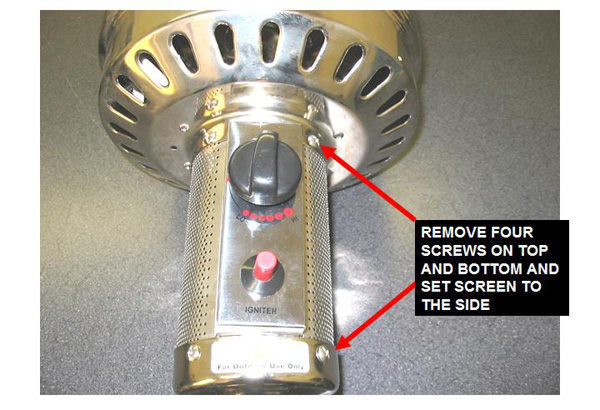
First, find the igniter assembly on your heater. It usually sits near the burner. Look for a small metal rod with a wire attached. This rod creates the spark to light the gas. Check your heater’s manual for exact location. Make sure the heater is off and cool before touching anything.
Disconnecting And Installing New Igniter
Unplug the igniter wire carefully from its connector. Use a screwdriver to remove screws holding the igniter in place. Take out the old igniter gently. Insert the new igniter in the same spot. Secure it with screws and reconnect the wire. Test the heater to ensure the spark works properly.
Adjusting The Igniter Position
Adjusting the igniter position is key to fixing your patio heater. A small shift can make the igniter spark properly. This helps the heater light quickly and safely.
Sometimes, the igniter is not lined up correctly with the burner. This stops the spark from reaching the gas. Moving the igniter closer or farther can solve this problem. It improves the chances of a strong spark.
Aligning The Electrode
The electrode must point directly at the burner’s gas outlet. Check if it is bent or twisted. Gently bend the electrode to face the flame area. It should be close but not touching the burner.
Keep a gap of about 1/8 inch between the electrode and burner. This gap allows the spark to jump easily. Too wide or too narrow a gap can stop ignition. Use a small ruler or a card to measure the space.
Securing The Igniter
Once the electrode is aligned, secure the igniter firmly. Loose igniters can move and lose alignment. Tighten any screws or clips holding the igniter in place. Make sure it does not wiggle or shift.
Check the wire connected to the igniter too. It should be tight and not damaged. A loose wire can stop the spark from reaching the electrode. Secure the wire along the heater frame with ties if needed.

Credit: www.amazon.com
Preventive Maintenance Tips
Preventive maintenance keeps your patio heater igniter working well. It helps avoid common problems and saves repair costs. Simple care steps extend your heater’s life and improve safety. Follow these tips to maintain your igniter and enjoy warm, cozy outdoor nights.
Regular Cleaning Schedule
Clean the igniter and surrounding parts often. Dust and dirt block sparks and stop ignition. Use a soft brush or cloth to remove buildup. Check for rust or damage during cleaning. Clean before and after each heating season for best results.
Protecting From Weather
Weather harms the igniter and other heater parts. Rain, snow, and wind cause rust and corrosion. Cover the heater with a waterproof cover when not in use. Store it in a dry place during winter or long breaks. This protection keeps the igniter dry and working properly.
Conclusion
Fixing a patio heater igniter can save time and money. Small checks often solve the problem quickly. Clean parts and tight connections matter most. Always handle the heater safely during repairs. A working igniter means warm evenings outside again. Keep tools ready for future quick fixes.
Regular maintenance helps prevent common issues. Enjoy your patio heater without worry now. Simple steps make the process clear and easy. Stay warm and comfortable with a reliable heater.