
Is your gas patio heater refusing to light when you need it most? It’s frustrating standing outside, hoping for warmth, only to find your heater silent and cold.
You’re not alone—many people face this common problem. But don’t worry, you don’t have to stay in the cold. Understanding why your gas patio heater isn’t lighting is the first step to fixing it quickly and safely. Keep reading, and you’ll discover simple solutions that can bring back the cozy heat to your outdoor space in no time.
Common Causes Of Ignition Failure
Gas patio heaters sometimes fail to light. This problem can be frustrating, especially on cold evenings. Knowing the common causes of ignition failure helps solve the issue quickly. Most ignition problems arise from simple issues. Checking these areas first saves time and effort.
Empty Or Low Gas Tank
The gas tank might be empty or almost empty. Without enough gas, the heater cannot light. Always check the tank level before trying to light the heater. Replace or refill the tank if it is low. This simple step often fixes the problem fast.
Clogged Burner Ports
Dirt and debris can block burner ports. Blocked ports stop gas flow, preventing ignition. Clean the burner ports regularly using a soft brush. Remove any dust, spider webs, or dirt. Clean ports ensure a steady gas flow and easy lighting.
Faulty Igniter
The igniter may be broken or worn out. A faulty igniter cannot spark to light the gas. Check the igniter for cracks or damage. Replace the igniter if it does not spark. A working igniter is crucial for starting the heater.
Blocked Gas Line
The gas line can get blocked by dirt or insects. A blocked line stops gas from reaching the burner. Inspect the gas line for any visible blockages. Clear the blockage carefully or call a professional. Clear gas lines allow smooth gas flow and ignition.
Safety Precautions Before Repair
Safety is the top priority before fixing a gas patio heater. Handling gas appliances needs care and caution. Taking the right steps helps avoid accidents and injuries. Follow these safety tips to protect yourself and others during repair work.
Turn Off Gas Supply
Always shut off the gas supply before starting any repair. This stops gas from leaking and causing fire or explosion. Locate the gas valve and turn it to the off position. Double-check to ensure no gas flows to the heater.
Work In A Well-ventilated Area
Repair the heater in a place with fresh air. Good ventilation reduces the risk of inhaling harmful gas fumes. Open windows or work outdoors to keep air moving freely. Avoid closed spaces to prevent gas buildup.
Use Protective Gear
Wear safety gloves and goggles to protect your hands and eyes. Gas leaks or sparks can cause burns or injuries. Use clothes that cover your skin fully. Safety gear acts as a barrier against unexpected hazards.
Step-by-step Lighting Troubleshoot
Troubleshooting a gas patio heater that won’t light can be simple. Follow these clear steps to find the problem fast. Each step focuses on key parts of the heater. Checking these will help you get the heater working again.
Check Gas Supply And Connections
Start by making sure the gas supply is on. Look at the gas tank valve. It should be fully open. Check the hose for cracks or leaks. Tighten all connections. A loose connection stops gas flow. Safety first: never smell gas while working. If you detect gas smell, turn off the supply immediately.
Clean Burner And Igniter
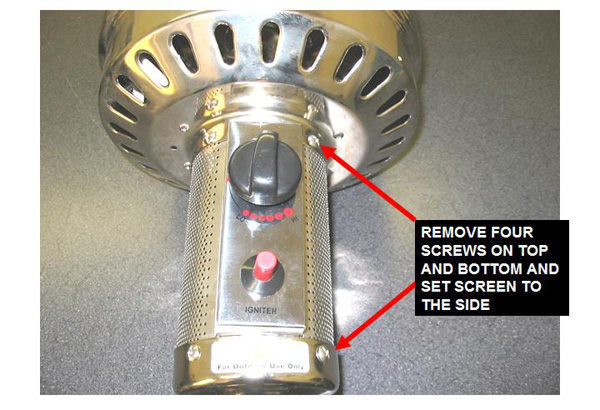
Dirt or spider webs can block the burner. Turn off the gas and power. Use a brush or cloth to clean the burner holes gently. Clean the igniter area too. Dirt can stop the spark. Keep the parts dry and free of debris before trying to light the heater again.
Test The Igniter Spark
Press the igniter button to check the spark. Look for a small blue spark near the burner. No spark means the igniter might be faulty. Try pressing the button a few times. If no spark appears, the igniter may need repair or replacement.
Manually Light The Pilot
If the igniter fails, use a lighter or match. Turn the gas knob to pilot mode. Hold the flame near the pilot opening. Press and hold the gas knob for 30 seconds. Release slowly and watch if the pilot stays lit. If it does, turn the knob to the “on” position and enjoy warmth.

Credit: www.youtube.com
Maintaining Your Patio Heater
Maintaining your patio heater helps it work well and last longer. Regular care prevents problems like the heater not lighting. A clean and checked heater keeps your outdoor space warm and safe.
Regular Cleaning Routine
Clean your patio heater often. Remove dust and dirt from the burner and ignition area. Wipe down surfaces with a soft cloth and mild soap. Avoid using harsh chemicals that can damage parts. Keeping the heater clean stops blockages that can stop it from lighting.
Inspecting For Wear And Tear
Look over your heater for signs of damage or wear. Check hoses, connections, and valves for cracks or leaks. Replace any worn parts quickly to avoid safety risks. Regular inspection helps catch small problems before they grow. A well-maintained heater lights up easier and works safely.
Seasonal Storage Tips
Store your patio heater properly during off seasons. Turn off the gas and disconnect the tank. Cover the heater with a weatherproof cover to protect it from rain and dust. Keep it in a dry, sheltered place to avoid rust and damage. Good storage keeps your heater ready for use next season.
When To Call A Professional
Knowing when to call a professional for a gas patio heater is important. Some problems need expert care. Trying to fix these issues alone may cause harm or make the problem worse. Recognizing key signs can save time and keep you safe.
Persistent Ignition Issues
If your heater won’t light after many tries, it may need a pro. Constant clicking or no spark signals an ignition problem. Simple fixes might not work. A technician can check the igniter and wiring safely.
Gas Leak Concerns
Smelling gas or hearing a hissing noise is dangerous. Stop using the heater immediately. Gas leaks require fast action by trained professionals. They have tools to detect leaks and fix them properly.
Complex Component Repairs
Broken valves, regulators, or burners need expert help. These parts control gas flow and heat. Wrong repairs can cause malfunctions or risks. Professionals have the right skills and tools for safe repairs.

Credit: www.reddit.com
Credit: azpatioheaters.com
Frequently Asked Questions
Why Is My Gas Patio Heater Not Lighting?
A gas patio heater may not light due to an empty gas tank, clogged burner, or faulty ignition. Check the propane supply, clean the burner, and inspect the igniter for damage to resolve the issue quickly.
How Do I Fix A Gas Patio Heater Ignition Problem?
To fix ignition issues, ensure the battery or power source is working. Clean the igniter and burner area from debris. Replace faulty spark igniters if necessary to restore proper ignition.
Can A Clogged Burner Stop A Patio Heater From Lighting?
Yes, a clogged burner restricts gas flow, preventing ignition. Regularly clean burner ports and remove debris to maintain efficient heating performance and reliable ignition.
Is The Propane Tank The Cause Of Heating Failure?
An empty or low propane tank often causes lighting failure. Always check the propane level and replace or refill the tank before troubleshooting other components.
Conclusion
A gas patio heater not lighting can be frustrating. Check the gas supply and connections first. Clean the burner and ignition parts carefully. Make sure the heater is in a safe, well-ventilated area. Regular maintenance helps avoid common problems. Small fixes often solve the issue quickly.
Stay safe and follow the heater’s instructions. Enjoy warm, cozy outdoor moments again soon.