Are you tired of guessing how much heat your patio heater really needs? Finding the right size can be tricky, but it’s key to keeping your outdoor space warm and cozy.
With a Patio Heater BTU Calculator, you can quickly figure out exactly how much power your heater should have. This means no more wasting money on heaters that are too weak or blowing cash on ones that are too strong.
Keep reading, and you’ll learn how to choose the perfect heater size to make your outdoor moments comfortable, every time.
How Btu Impacts Patio Heating
BTU plays a key role in how well a patio heater warms your outdoor space. It measures the heat output of the heater. The higher the BTU, the more warmth the heater provides. Choosing the right BTU level ensures your patio stays comfortable during chilly evenings.
Too low BTU means the heater won’t warm enough. Too high BTU wastes fuel and can feel too hot. Understanding BTU helps you pick the perfect heater size for your patio.
What Btu Means For Heat Output
BTU stands for British Thermal Unit. It measures how much heat a heater produces in one hour. One BTU raises one pound of water by one degree Fahrenheit.
Patio heaters usually have BTUs between 5,000 and 50,000. More BTU means stronger heat and a larger warm area. Less BTU means weaker heat and smaller coverage.
Choosing the right BTU helps keep your patio evenly warm. It prevents cold spots and overheating.
Factors Affecting Btu Requirements
Several things change how much BTU your patio heater needs. Size of the patio is important. Bigger patios need heaters with more BTU.
Wind also affects heating. Wind cools the air fast and lowers heat. More BTU is needed for windy patios.
Outdoor temperature matters too. Colder weather calls for higher BTU heaters. Enclosed patios keep heat better and need less BTU.
Height of the heater affects heat spread. Taller heaters need more BTU to warm the same area.

Credit: cen.com.mx
Measuring Your Patio Space
Measuring your patio space is the first step to choosing the right patio heater. Knowing the size of your area helps find the heater with the correct heat output. This ensures warmth spreads evenly and keeps your space comfortable.
Calculating Square Footage
Start by measuring the length and width of your patio. Multiply these two numbers to get the square footage. For example, a 10-foot by 12-foot patio equals 120 square feet. This number is key for calculating the heater’s BTU needs.
Considering Patio Layout And Height
Think about your patio’s shape and ceiling height. A tall ceiling or open sides can make heating harder. Heat rises, so higher ceilings require more BTUs. Odd shapes may need more heat to cover all corners. Note these factors for a better heater estimate.
Adjusting For Weather Conditions
Adjusting your patio heater’s BTU output based on weather is key for comfort. Outdoor temperatures and conditions affect how much heat you need. Calculating the right BTU ensures warmth without wasting energy. Let’s explore how weather factors change your heating needs.
Climate Influence On Heat Needs
Climate sets the basic heat demand for your patio heater. Cold areas require more BTUs to keep warm. Mild climates need fewer BTUs. Check your local average temperatures before choosing heater size. A heater designed for cold weather may waste fuel in warm areas.
Season changes also affect heat needs. Winter months call for higher BTU settings. Spring and fall need less heat. Adjust your heater accordingly to save energy.
Wind And Shelter Considerations
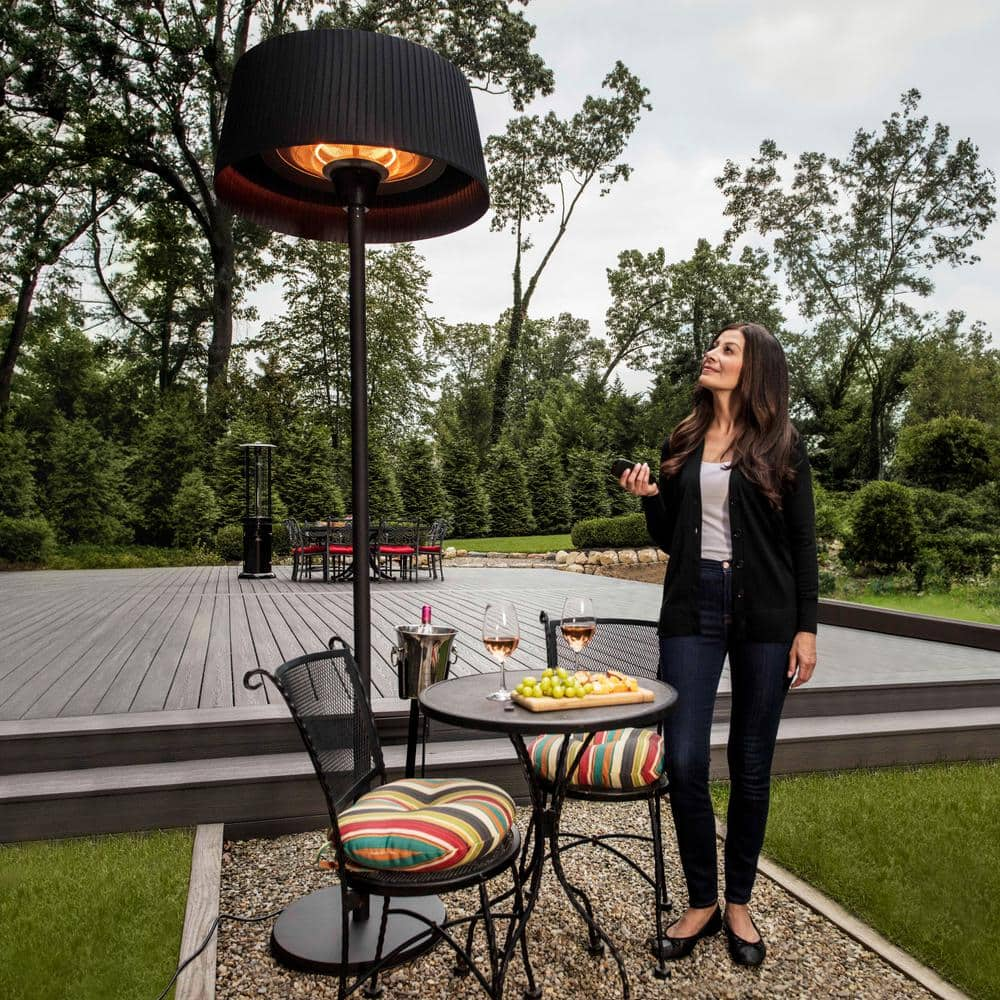
Wind can blow heat away quickly. Strong wind means you need a heater with higher BTU output. Use windbreaks like walls or plants to reduce heat loss. Sheltered patios keep warmth better and need fewer BTUs.
Open spaces require more powerful heaters. Sheltered areas allow smaller heaters to work well. Assess your patio’s exposure to wind before finalizing BTU size.
Credit: shopcarpetplus.com
Choosing The Right Heater Type
Choosing the right heater type is key for your patio comfort. Different heaters suit different spaces and needs. Knowing the options helps you pick the best one. This guide breaks down popular heater types and their benefits.
Propane Vs Electric Heaters
Propane heaters run on gas and provide strong heat. They work well outdoors and in places without power outlets. Propane heaters offer quick warmth and are portable.
Electric heaters plug into an outlet and are easy to use. They are safer for enclosed spaces and produce no fumes. Electric heaters need electricity but are often quieter.
Infrared And Radiant Options
Infrared heaters warm objects and people directly. They use light waves, not hot air. This means less heat loss and faster warmth.
Radiant heaters work by sending heat waves outward. They create a cozy space by warming surfaces around you. Both types save energy by focusing heat where needed.
Using A Patio Heater Btu Calculator
Using a patio heater BTU calculator helps choose the right heater size. It saves money and energy by matching heater power to space size. This tool gives quick, clear results. It makes planning outdoor heating easy and accurate.
Inputting Accurate Measurements
Start by measuring your patio area. Measure length and width in feet. Include covered and open spaces. Enter these numbers into the calculator. Add ceiling height if the calculator asks. Double-check all measurements for accuracy. Precise data leads to better heating estimates.
Interpreting Calculator Results
The calculator shows the required BTU output. BTU means British Thermal Units, a heat measure. Compare this number to heater labels. Choose a heater with BTU close to the result. Avoid underpowered heaters—they waste energy. Too strong heaters can be uncomfortable. Use the result as a helpful guide.
Tips For Efficient Heat Distribution
Efficient heat distribution helps you enjoy warmth without wasting energy. Proper heat spread keeps your patio cozy and comfortable. Use these tips to get the best results from your patio heater.
Optimal Heater Placement
Place your patio heater where people gather most. Avoid corners or blocked spots. Heat flows better in open areas. Keep the heater away from wind or drafts. Position it near seating areas for direct warmth. Adjust height to spread heat evenly over the space.
Combining Multiple Heaters
Use more than one heater for larger patios. Space heaters evenly to cover all areas. Avoid placing heaters too close. Overlapping heat can cause hot spots. Balance the heat output to keep temperature steady. Multiple heaters reduce cold zones and improve comfort.
Safety And Maintenance Guidelines
Using a patio heater is a great way to enjoy outdoor spaces during cool weather. Safety and maintenance are key to keeping your heater working well and preventing accidents. Understanding how to operate and care for your heater helps you stay safe and extend its life.
Safe Operation Practices
Place the heater on a flat, stable surface. Keep it away from flammable materials like curtains or plants. Always follow the manufacturer’s instructions for lighting and turning off the heater. Never leave the heater unattended while it is on. Use the heater only in well-ventilated outdoor areas. Keep children and pets at a safe distance. Check for gas leaks before use by smelling or applying soapy water to connections. Turn off the gas supply immediately if you detect a leak.
Regular Heater Maintenance
Clean the heater regularly to remove dust and debris. Check the burner and pilot light for dirt buildup. Replace any worn or damaged parts promptly. Inspect gas hoses and connections for cracks or leaks. Store the heater in a dry place during the off-season. Cover it with a weatherproof cover to protect it from rain and dust. Schedule professional servicing once a year to ensure safe operation. Proper maintenance keeps the heater efficient and safe to use.

Credit: blog.totalhomesupply.com
Conclusion
Choosing the right patio heater BTU is key for comfort outside. This calculator helps find the perfect heat level fast. A good heater saves energy and keeps you warm longer. Measure your space, consider weather, and use the calculator. Enjoy your patio even on chilly nights.
Stay cozy without wasting fuel or money. Simple steps lead to better outdoor heating results. Keep your evenings warm and pleasant with the right BTU.