Have you ever wondered what keeps your patio heater running safely and smoothly? The secret lies in a small but powerful part called the thermocouple.
Understanding how a patio heater thermocouple works can help you feel more confident using your heater and even troubleshoot common issues. You’ll discover the simple science behind this device and why it’s essential for your outdoor comfort. Keep reading to unlock the mystery and make the most of your patio heater every chilly evening.

Credit: www.amazon.com
Patio Heater Thermocouple Basics
The patio heater thermocouple is a small but vital part of your outdoor heater. It helps keep the heater safe and working properly. Understanding its basics can help you use and maintain your patio heater better.
This part senses heat and controls the gas flow. It stops gas from flowing if the flame goes out. This prevents gas leaks and keeps you safe.
Role In Patio Heaters
The thermocouple acts like a safety guard in the heater. It senses the heat from the burner flame. When the flame is on, the thermocouple creates a small electric current.
This current tells the gas valve to stay open. If the flame goes out, the thermocouple cools down and stops the current. This causes the gas valve to close and stop the gas flow.
Key Components
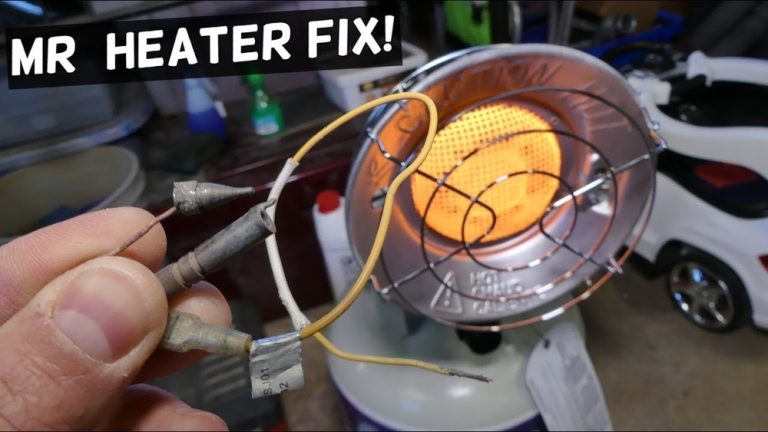
A thermocouple has two different metal wires joined at one end. This joined end is placed in the heater’s flame. The heat creates a voltage between the wires.
The voltage powers a small electrical signal. This signal keeps the gas valve open. The other ends of the wires connect to the gas valve system.
Thermocouples are simple but very important parts. They work without batteries or complex electronics. Their strength is in their simplicity and reliability.

Credit: www.youtube.com
Thermocouple Functionality
A patio heater thermocouple plays a vital role in safety and operation. It senses heat and controls the gas flow to the burner. Without this small device, the heater could release gas unsafely.
The thermocouple works by detecting heat from the pilot light. It then generates a small electric voltage. This voltage keeps the gas valve open, allowing the heater to stay lit. If the pilot light goes out, the voltage stops, and the gas valve closes. This prevents gas leaks and potential accidents.
Heat Detection Process
The thermocouple sits near the pilot flame. It feels the heat from the flame directly. When the flame is on, the thermocouple heats up quickly. This heat causes a reaction inside the thermocouple’s metal wires. The metals used react to the temperature change.
If the flame goes out, the thermocouple cools down fast. Without heat, it cannot keep the gas valve open. This stops the gas flow and ensures safety. The heat detection process is simple but very effective.
Generating Voltage
The thermocouple creates a tiny electric voltage called millivolts. This voltage is very small but enough to hold the gas valve open. It happens because of the Seebeck effect, which converts heat to electricity.
When heat hits two different metals joined inside the thermocouple, it creates an electric current. This current flows to the gas valve. The valve uses this current to stay open and let gas pass.
If heat disappears, the voltage stops. The gas valve then closes automatically. This system keeps the patio heater safe and reliable every time it is used.
Safety Mechanism
The safety mechanism of a patio heater thermocouple plays a vital role in protecting users. It ensures the heater works only when it is safe. This system stops dangerous situations before they happen. Understanding these safety features helps users trust their heaters more.
Preventing Gas Leaks
The thermocouple senses the heat from the burner flame. It then signals the gas valve to stay open. If the flame goes out, the thermocouple cools down quickly. This causes the gas valve to close. Closing the valve stops gas from leaking out. This simple action prevents gas buildup and possible explosions.
Automatic Shutoff
The thermocouple’s quick response triggers an automatic shutoff. It cuts the gas supply immediately if the flame disappears. This feature protects homes and outdoor spaces from fire hazards. It also saves gas by stopping waste. The automatic shutoff is a key safety step in patio heaters.
Common Issues
Patio heater thermocouples can face several common problems. These issues stop the heater from working correctly. Understanding these problems helps keep your heater safe and warm.
Signs Of Failure
The heater will not stay lit. Flames may go out quickly. You might hear a clicking sound. Sometimes, the heater won’t start at all. Weak or no heat shows a problem. These signs point to a failing thermocouple.
Troubleshooting Tips
Check if the thermocouple is dirty or covered in soot. Clean it gently with fine sandpaper. Make sure it is properly aligned near the pilot flame. Tighten loose connections on the thermocouple wire. Replace the thermocouple if these steps do not help. Always turn off the gas before any checks.
Maintenance Tips
Proper maintenance keeps your patio heater thermocouple working well. It helps avoid sudden failures and ensures safety. Regular care saves money on repairs and replacements. Follow simple steps to keep the thermocouple clean and in good condition.
Cleaning Procedures
Turn off the heater and let it cool completely. Use a soft brush or cloth to remove dirt and dust. Avoid using water or liquid cleaners on the thermocouple. Gently clean the tip of the thermocouple to remove any buildup. Check for signs of rust or corrosion while cleaning. Clean the area around the thermocouple for better performance.
Replacement Guidelines
Replace the thermocouple if the heater fails to stay lit. Inspect it regularly for cracks or damage. Use the correct replacement part for your heater model. Disconnect the gas supply before removing the old thermocouple. Install the new thermocouple securely and test the heater. Regular checks help catch issues early and keep your heater safe.

Credit: support.celestialfireglass.com
Conclusion
A patio heater thermocouple plays a key role in safety and function. It senses heat and controls the gas flow. This keeps the heater running smoothly and stops gas leaks. Understanding this small part helps you care for your heater better.
It also saves money by preventing repairs. Next time you use a patio heater, remember the thermocouple’s job. It works quietly but makes a big difference. Simple, smart, and important for warm outdoor moments.