Are you wondering, “What size patio heater do I need?” Choosing the right size heater can make all the difference between a warm, cozy outdoor space and a chilly, uncomfortable one.
You want to enjoy your patio no matter the weather, but picking the wrong heater might leave you shivering or wasting energy. This guide will help you find the perfect heater size for your space so you can stay comfortable and make the most of your outdoor area.
Keep reading to discover how to measure your patio and match it with the ideal heater size!
Factors Affecting Patio Heater Size
Patio dimensions help decide the heater size. Larger areas need more heat power. Small patios require less energy to warm up.
Outdoor layout affects heat spread. Open spaces lose heat faster than enclosed ones. Walls or coverings keep heat inside better.
Typical weather conditions matter a lot. Windy or cold places need stronger heaters. Mild weather means less heating power is enough.
Desired temperature levels depend on comfort needs. Some want warm air close by, others want the whole patio warm. More heat means bigger or more heaters.
Types Of Patio Heaters
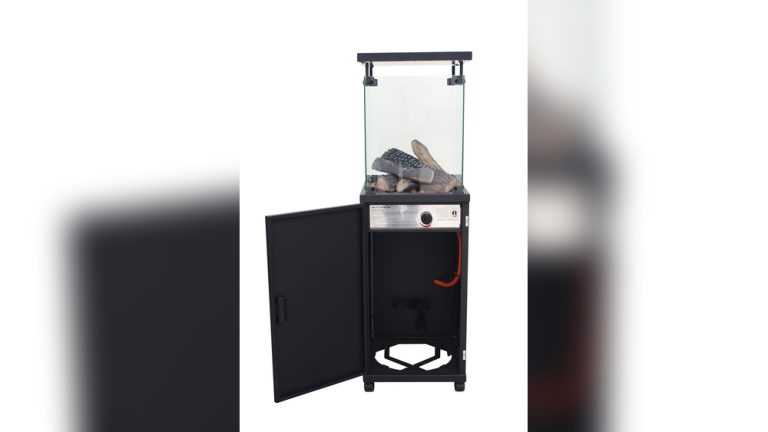
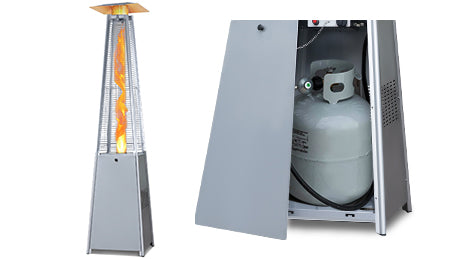
Propane heaters use gas tanks. They are easy to move around. Great for places without power outlets. They heat up quickly but need fresh air for safety.
Electric heaters plug into outlets. They are clean and safe to use indoors or outdoors. No fumes or gas smell. They work well for small areas.
Natural gas heaters connect to home gas lines. They are good for large patios. They offer steady heat without refilling tanks. Installation may need a professional.
Infrared heaters warm people directly, not the air. They save energy and work well in windy spots. Quiet and efficient, perfect for cozy evenings.
Calculating Heater Btu Requirements
BTU means British Thermal Unit. It shows how much heat a heater gives off. The higher the BTU, the warmer the heat.
To find the right heater size, measure your patio’s square feet. Then multiply by 10 to 15 BTU for each square foot. For example, a 200 sq ft patio needs about 2000 to 3000 BTU.
Outdoors, wind and cold air lower heat. Add extra BTU to stay warm. On windy days, increase BTU by 10-20%. If it is very cold, add 20-30% more.
| Patio Size (sq ft) | BTU Needed | Adjust for Wind & Cold |
|---|---|---|
| 100 | 1000 – 1500 | + 10-30% |
| 200 | 2000 – 3000 | + 10-30% |
| 300 | 3000 – 4500 | + 10-30% |

Credit: outdoorrestaurantseating.com
Choosing Heater Size For Different Spaces
Small patios and balconies need heaters with about 4,000 to 5,000 BTUs. These heaters warm spaces up to 100 square feet. They are easy to move and use less fuel.
Medium-sized outdoor areas require heaters with 8,000 to 12,000 BTUs. These heaters cover around 150 to 300 square feet. They provide steady heat for small groups of people.
Large patios and commercial spaces call for powerful heaters with 15,000 to 20,000 BTUs or more. These heaters warm areas above 300 square feet. They are built to handle bigger crowds and open spaces.
Placement Tips For Effective Heating
Place the heater where people can feel the warmth directly. Keep it at least 3 feet away from walls or furniture. This helps avoid fire risks. Make sure the heater is stable and cannot tip over easily.
Use a table or stand that keeps the heater upright and steady. Avoid placing it under low roofs or near flammable items like curtains or plants. Airflow is important. Don’t block the heater with large objects.
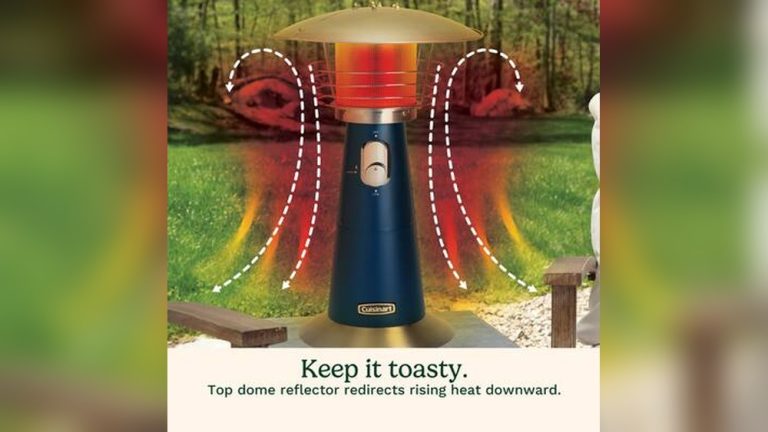
To spread heat well, position the heater near seating areas. Heat moves better when the heater is raised about 6 to 7 feet. This helps warm a larger area. Angle the heater so the warmth reaches the most people.
| Tip | Details |
|---|---|
| Safety Clearances | 3 feet away from walls and furniture |
| Stable Placement | Use solid stand, avoid tipping |
| Airflow | Keep heater free from blockages |
| Heat Distribution | Place near seating, raise 6-7 feet |
Credit: lausaint.com
Energy Efficiency And Cost Considerations
Fuel consumption rates vary by heater type. Propane heaters use more fuel than electric ones. Gas heaters burn fuel quickly but heat large areas fast. Electric heaters consume less energy but may cost more to run depending on your electricity rates.
Operating costs depend on fuel price and heater efficiency. Propane and natural gas heaters have higher upfront costs but lower fuel prices. Electric heaters cost less initially but may have higher monthly bills. Checking fuel price in your area helps estimate costs.
| Heater Type | Fuel Consumption | Operating Cost | Eco-Friendly Level |
|---|---|---|---|
| Propane | High | Moderate | Low |
| Natural Gas | Moderate | Low | Medium |
| Electric | Low | High | High |
Eco-friendly options include electric heaters and newer gas models with lower emissions. Solar-powered heaters are rare but very green. Choosing energy-efficient models reduces your carbon footprint and saves money.
Maintenance For Long-lasting Performance
Cleaning patio heaters helps keep them working well. Use a soft cloth to wipe dust and dirt. Avoid harsh chemicals that can damage the surface. Clean the reflector and glass parts gently to maintain heat output.
Inspect the heater often for signs of wear or damage. Check connections and hoses for leaks or cracks. Make sure all screws and bolts are tight. Replace worn parts quickly to avoid bigger problems.
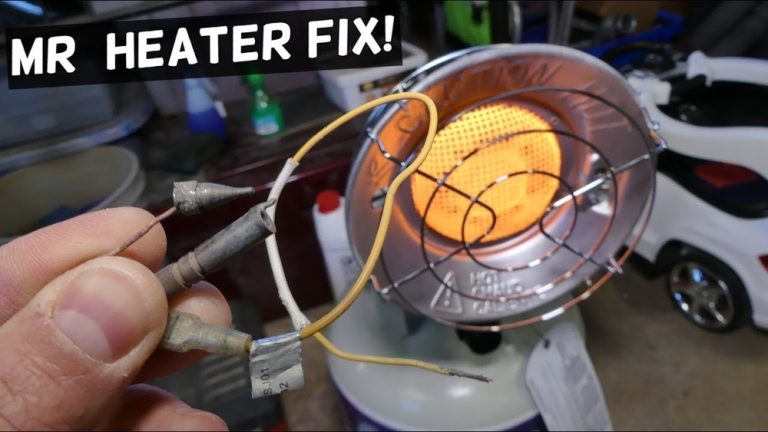
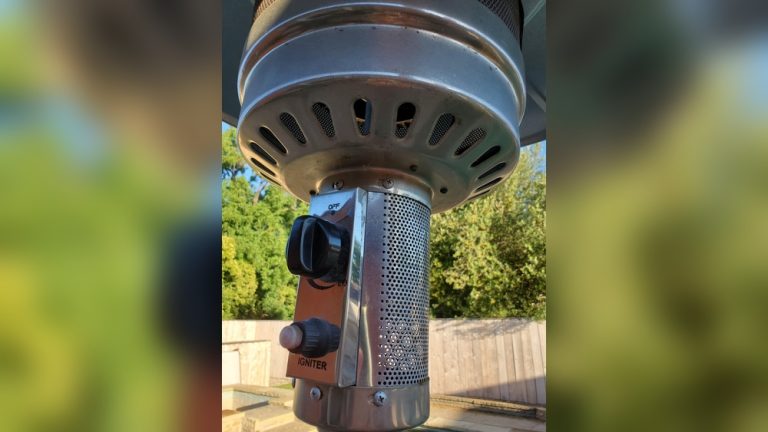
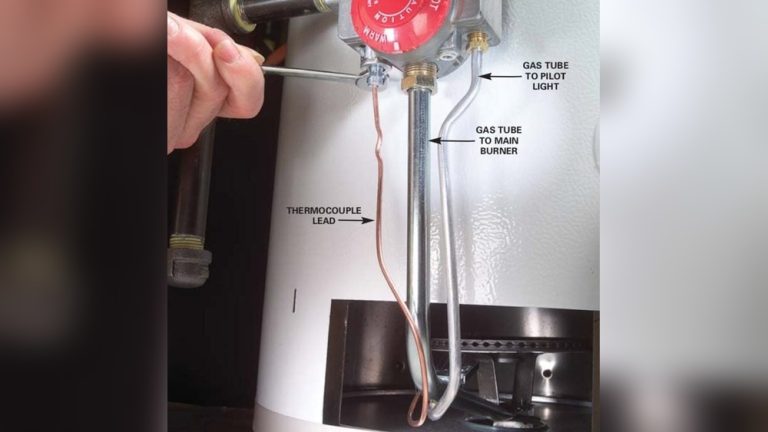
Common problems include ignition failure and uneven heat. Check the fuel supply first. Clean the burner if flames look weak or uneven. Reset the ignition system as needed. Many issues clear up with simple cleaning and checks.

Credit: www.amazon.com
Frequently Asked Questions
What Factors Determine The Size Of A Patio Heater?
The size depends on patio area, ceiling height, and outdoor conditions. Larger spaces need higher BTU heaters for efficient warmth.
How To Calculate Patio Heater Size By Square Footage?
Multiply your patio’s length by width to get square feet. Match heater BTU output to that size for optimal heat.
Can A Small Patio Heater Warm A Large Space?
No, small heaters are best for compact areas. Large spaces require high BTU heaters for adequate heating coverage.
What Btu Rating Suits A 100 Sq Ft Patio?
A 100 sq ft patio generally needs a heater with 5,000 to 7,500 BTUs for comfortable warmth outdoors.
Conclusion
Choosing the right patio heater size keeps you warm and comfortable outside. Small heaters work well for cozy spaces. Larger heaters fit bigger areas and groups. Think about your space and how many people join. Proper heater size saves energy and money.
Stay warm longer and enjoy your outdoor time. A good heater makes evenings pleasant and cozy. Now, you know what size heater fits your patio best.