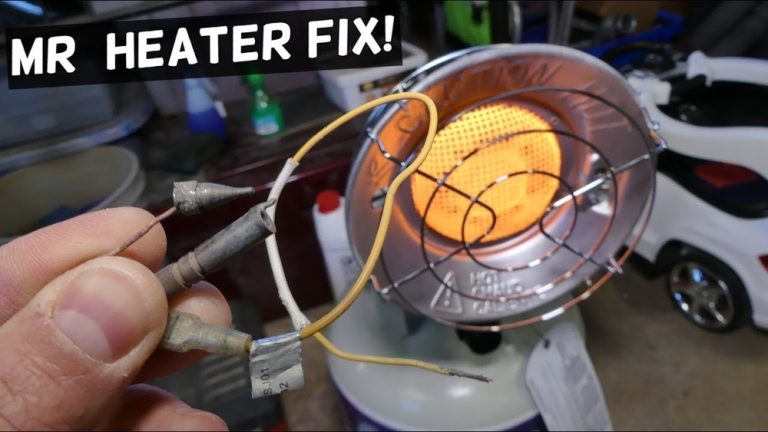
Are you thinking about using a patio heater in your garage with the door open? It sounds like a simple way to stay warm while working or relaxing, but is it really safe and effective?
You might have questions about ventilation, carbon monoxide risks, and whether your heater will even work well in that space. Keep reading to discover everything you need to know before turning on your patio heater in the garage. Your safety and comfort depend on it.

Credit: www.reddit.com
Patio Heaters And Indoor Use
Patio heaters come in different types. The main ones are electric, propane, and natural gas heaters. Each type works best in certain places.
Electric heaters are safe for indoor use. They do not produce fumes or smoke. They are good for garages with doors open.
Propane and natural gas heaters give off heat by burning fuel. They need good ventilation to avoid dangerous gases building up. Using them indoors can be risky.
Indoor heating needs clean air and no gas leaks. Outdoor heaters work best outside or in open areas. A garage with the door open is safer than closed, but still needs care.
| Heater Type | Safe for Indoor Use? | Notes |
|---|---|---|
| Electric | Yes | No fumes, good for garages with open doors |
| Propane | No | Needs ventilation, risk of gas buildup |
| Natural Gas | No | Must have fresh air, avoid closed spaces |
Safety Concerns In Garages
Using a patio heater in a garage needs careful thought about ventilation. Even with the door open, fresh air may not flow enough to clear harmful gases. Carbon monoxide is an invisible, odorless gas that can cause serious harm or death. It builds up quickly in closed spaces.
Patio heaters release carbon monoxide and other gases. These can collect in the garage, creating dangerous air. Keep the door fully open and use fans to increase airflow. Never leave the heater running alone or while sleeping.
Proper ventilation means air moves freely, lowering gas levels. Without it, the risk of fire and poisoning rises. Always check local safety rules before using a patio heater inside or in a garage.
Using Patio Heaters With Garage Doors Open
Open garage doors allow fresh air to move freely. This can reduce the warmth from a patio heater. The heat escapes quickly, making it hard to keep the garage warm. Cold air coming in lowers the overall temperature.
Patio heaters work best in closed or semi-closed spaces. With open doors, the heater must work harder. This can waste energy and raise heating costs. It also may take longer to feel warm.
Airflow affects how heat spreads. Open doors cause drafts that cool down the area. This makes temperature control challenging. Keeping doors partially closed or using wind barriers helps.

Credit: www.bromic.com
Alternatives To Patio Heaters In Garages
Electric garage heaters are a safe choice for heating garages. They plug into a power outlet and provide steady warmth. These heaters do not use fuel, so there is no risk of gas leaks or fumes. They also work well with the garage door open because they do not produce harmful gases.
Infrared heating options are another good alternative. Infrared heaters warm objects and people directly, not the air. This method uses less energy and heats faster. Infrared heaters are quiet and safe to use in garages. They can be mounted on walls or ceilings, saving floor space.
Best Practices For Heater Safety
Patio heaters can be used in garages only if the door stays open. This helps ventilate harmful gases and reduces fire risks. Always place the heater on a flat, stable surface, away from any flammable items.
Check the heater for damage or leaks before use. Keep it clean and well-maintained. Regularly inspect the gas connections and ignition system. Turn off the heater when not in use.

Credit: sirelmagroup.it
Frequently Asked Questions
Can You Use A Patio Heater Safely In A Garage?
Yes, you can use a patio heater in a garage if the door is open. Proper ventilation is essential to prevent carbon monoxide buildup and ensure safety.
Why Should The Garage Door Be Open When Using A Patio Heater?
The garage door must be open to allow fresh air circulation. This reduces the risk of carbon monoxide poisoning and ensures the heater operates safely.
What Safety Precautions Are Needed For Patio Heaters In Garages?
Keep the heater away from flammable materials and never leave it unattended. Ensure proper ventilation by keeping the garage door open and monitor for gas leaks.
Can A Patio Heater Cause Carbon Monoxide Buildup Indoors?
Yes, patio heaters can produce carbon monoxide. Using them in enclosed spaces without ventilation is dangerous. Always keep the garage door open for fresh air flow.
Conclusion
Using a patio heater in a garage with the door open can be safe if you take care. Always keep fresh air flowing to avoid gas build-up or carbon monoxide. Never leave the heater unattended and follow the manufacturer’s instructions closely.
Keep flammable items away from the heater to prevent fires. This way, you can enjoy warmth without risking safety. Stay smart and cautious for a cozy garage space during cold days.