
Are you tired of your patio heater lighting up for just a moment and then shutting off? It’s frustrating when you’re ready to enjoy a warm evening outside, only to have your heater refuse to stay on.
You’re not alone—this common problem can leave you cold and confused. But don’t worry, understanding why your patio heater ignites but won’t stay lit is easier than you think. Keep reading, and you’ll discover simple fixes that can save your heater and keep your outdoor space cozy all night long.

Credit: thetorchguys.com
Common Reasons For Heater Shutoff
Patio heaters that ignite but do not stay on can be frustrating. Several common issues cause heaters to shut off quickly. Understanding these problems helps you fix the heater fast. Here are the main reasons patio heaters turn off right after ignition.
Thermocouple Issues
The thermocouple controls the gas flow in the heater. It senses the flame and keeps the gas valve open. A dirty or faulty thermocouple may fail to detect the flame. This causes the heater to shut off as a safety measure. Cleaning or replacing the thermocouple often solves this issue.
Gas Supply Problems
Low gas pressure or an empty tank stops the heater from staying lit. Blocked or kinked gas lines also reduce the gas flow. Check the gas tank level and the hose for any damage. Ensuring a steady gas supply keeps the heater burning steadily.
Ventilation And Airflow
Poor ventilation affects the flame stability. Strong winds or blocked vents can blow out the flame. The heater needs enough fresh air to burn properly. Place the heater in a sheltered area and clear any obstructions near the vents.
Faulty Ignition System
The ignition system creates the spark to light the gas. Faulty igniters can cause weak or no sparks. This leads to the heater shutting off quickly. Testing and replacing the igniter can restore proper ignition and flame stability.
Checking The Thermocouple
Checking the thermocouple is important when your patio heater lights but won’t stay on. This small part controls the gas flow and keeps the flame burning. If it is dirty or faulty, the heater turns off quickly. Understanding how to check and fix the thermocouple can save time and money.
Location And Function
The thermocouple sits near the burner. It looks like a small metal rod. Its job is to sense heat from the flame. If it feels heat, it keeps the gas valve open. No heat means it closes the valve to stop gas flow. This safety feature prevents gas leaks.
Cleaning And Adjustment
Dirt or soot can cover the thermocouple and block heat. Use fine sandpaper or a soft cloth to clean it gently. Make sure it touches the flame directly. Sometimes bending it slightly helps improve contact. Clean and adjust the thermocouple if the heater shuts off too soon.
Replacement Tips
Thermocouples wear out over time and need replacing. Choose one that matches your heater model. Turn off the gas before removing the old part. Unscrew it carefully and install the new thermocouple in the same spot. Test the heater to ensure it stays on after replacement.
Inspecting The Gas Supply
Checking the gas supply is a key step if your patio heater lights but won’t stay on. The heater needs a steady flow of gas to keep burning. Problems in this area often cause the flame to go out quickly.
Regulator And Hose Condition
Look closely at the regulator and hose. These parts control gas flow to the heater. Cracks, damage, or blockages can stop gas from reaching the burner. Replace any worn or cracked hoses. Make sure the regulator fits tightly and works well.
Gas Tank Levels
Low gas levels cause weak flames or sudden shut-offs. Check your gas tank’s pressure or weight. A nearly empty tank cannot supply enough gas. Swap it for a full tank to keep the flame steady. Regularly monitor gas levels to avoid interruptions.
Leak Detection
Gas leaks reduce pressure and can be unsafe. Use soapy water on hose connections and look for bubbles. Bubbles mean gas is escaping. Tighten connections or replace faulty parts. Never ignore the smell of gas. Safety first.
Ensuring Proper Ventilation
Proper ventilation is key to keeping your patio heater running smoothly. Without enough airflow, the heater might light but fail to stay on. This section covers simple steps to improve ventilation and help your heater work as it should.
Clearing Blockages
Check the heater’s air vents and fuel lines for any dirt or debris. Dust and spider webs can block airflow and gas flow. Use a soft brush or compressed air to clean these parts regularly. Clear passages help the heater get enough oxygen to stay lit.
Positioning The Heater
Place the heater in an open area where air can move freely. Avoid corners or tight spaces that trap heat and reduce airflow. Keep the heater away from walls or large objects that block wind. Good placement ensures fresh air reaches the burner at all times.
Wind And Draft Effects
Strong wind can blow out the flame quickly. Use windbreaks like screens or plants to shield the heater. Make sure drafts do not block the air intake or push the flame away. A calm spot helps the heater keep a steady flame and work properly.
Fixing The Ignition System
Fixing the ignition system is key when your patio heater ignites but won’t stay on. The ignition system controls the spark that lights the flame. Problems here can stop the heater from working properly. Check the parts carefully. Clean or replace anything that looks worn or dirty. This can save you money and time.
Igniter Cleaning
Start by cleaning the igniter. Dirt and rust block the spark. Use a soft brush or cloth to remove grime. Avoid water or harsh chemicals that can damage it. Clean both the igniter tip and the surrounding area. This can help the spark ignite the gas better.
Battery And Power Check
Many patio heaters use batteries for ignition. Check if the batteries are dead or weak. Replace old batteries with new ones. Make sure the battery contacts are clean and tight. Sometimes loose wires or poor connections cause problems. Fix these to ensure steady power to the igniter.
Replacing Igniter Components
If cleaning and battery checks don’t work, replace the igniter parts. You can buy replacement igniters online or in stores. Follow the heater manual to remove the old igniter safely. Install the new igniter and test the heater. New parts often restore the ignition system fully.

Credit: www.youtube.com
Safety Precautions
Safety is the top priority when using a patio heater that ignites but won’t stay on. Taking the right precautions protects you and your home. Simple steps can prevent accidents and keep your heater working well.
Handling Gas Safely
Always check for gas leaks before lighting the heater. Use soapy water on connections; bubbles mean a leak. Turn off the gas supply if you detect any leak. Store gas cylinders upright in a well-ventilated area. Never use a damaged or expired gas cylinder. Keep children and pets away from gas equipment.
Avoiding Fire Hazards
Keep the heater away from flammable materials like curtains or paper. Clear the area around the heater of leaves and debris. Do not leave the heater unattended while it is on. Make sure the heater is on a stable, flat surface. Avoid using the heater indoors or in enclosed spaces.
When To Call A Professional
If the heater ignites but won’t stay on after checking simple fixes, call an expert. Do not try to fix gas or ignition problems yourself. A professional can inspect the heater safely and fix hidden issues. Regular maintenance by a technician keeps your heater safe. Trust experts for repairs beyond basic cleaning or adjustments.
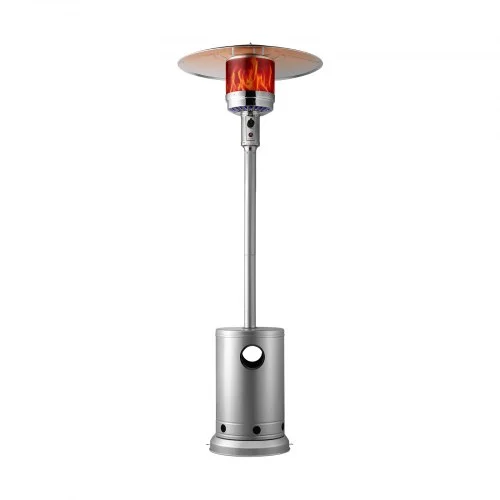
Credit: www.vevor.com
Frequently Asked Questions
Why Does My Patio Heater Ignite But Won’t Stay Lit?
Your patio heater may have a faulty thermocouple or dirty pilot light. These prevent the gas valve from staying open, causing the heater to shut off shortly after ignition.
How Can I Fix A Patio Heater That Won’t Stay On?
Clean the pilot light and check the thermocouple for damage. Replace any faulty parts and ensure the gas supply is steady for proper operation.
Can Weather Affect A Patio Heater’s Ignition?
Yes, strong winds or cold temperatures can cause the flame to go out. Use a wind guard or relocate the heater to a sheltered area to improve stability.
Is Low Gas Pressure Causing My Heater To Shut Off?
Low gas pressure can prevent the heater from staying lit. Check your gas tank or supply line and refill or repair as needed for consistent flow.
Conclusion
A patio heater that won’t stay on can be frustrating. Check the gas supply and clean the pilot light. Make sure the thermocouple works properly. Small fixes often solve the problem quickly. Safety comes first—always turn off the heater before inspecting.
Regular maintenance helps keep your heater reliable. With a little care, your patio stays warm and cozy. Keep enjoying your outdoor space without worry. Simple steps make a big difference. Don’t let a small issue ruin your comfort.