Are you wondering how to choose the right propane tank size for your patio heater? Picking the correct tank can make a big difference in how long you stay warm and how much you spend.
If your tank is too small, you’ll run out of heat fast. Too big, and you might be carrying extra weight and cost. This guide will help you find the perfect balance, so your outdoor space stays cozy without any surprises.
Keep reading to discover what propane tank size fits your patio heater and your needs best.
Choosing The Right Propane Tank
Choosing the right propane tank for your patio heater is very important. The correct size keeps your heater running smoothly and safely. A tank that is too small means you will run out of fuel often. A tank that is too large can be heavy and hard to move. Knowing the right size helps you enjoy your heater longer without interruptions.
Common Propane Tank Sizes
Propane tanks come in different sizes. The most common sizes are 5, 10, 20, and 30 pounds. The 20-pound tank is popular for patio heaters. Smaller tanks like 5 or 10 pounds are easy to carry but need refilling more often. Larger tanks hold more fuel but are heavier and less portable.
Matching Tank Size To Heater
Each patio heater needs a specific tank size. Check your heater’s manual for the recommended tank size. Using the right size ensures the heater works well and stays safe. A small heater can use a 5 or 10-pound tank. Bigger heaters need 20-pound tanks or larger for longer use.
Tank Capacity And Burn Time
The size of the tank affects how long your heater burns. A 20-pound tank can last about 8 to 10 hours on a medium heat setting. Smaller tanks run out faster, needing refills after a few hours. Larger tanks provide longer burn times but add weight. Choose a tank that fits your heating needs and how often you want to refill.
Choosing The Right Tank Size
Propane tanks come in several common sizes: 5, 10, 20, and 30 pounds. The 20-pound tank is the most popular for patio heaters. Smaller tanks, like 5 or 10 pounds, are lighter but run out faster. Larger tanks, such as 30 pounds, last longer but are heavier to move.
Some key factors affect tank size choice. How often you use the heater matters. Frequent use needs a bigger tank. The heater’s BTU output is also important. Higher BTUs mean more fuel consumption and a larger tank.
| Tank Size (lbs) | Approximate Runtime (hours) | Heater Output Suitability (BTU) |
|---|---|---|
| 5 | 4-6 | Under 40,000 |
| 10 | 8-12 | Up to 60,000 |
| 20 | 16-20 | Up to 100,000 |
| 30 | 24-30 | Over 100,000 |
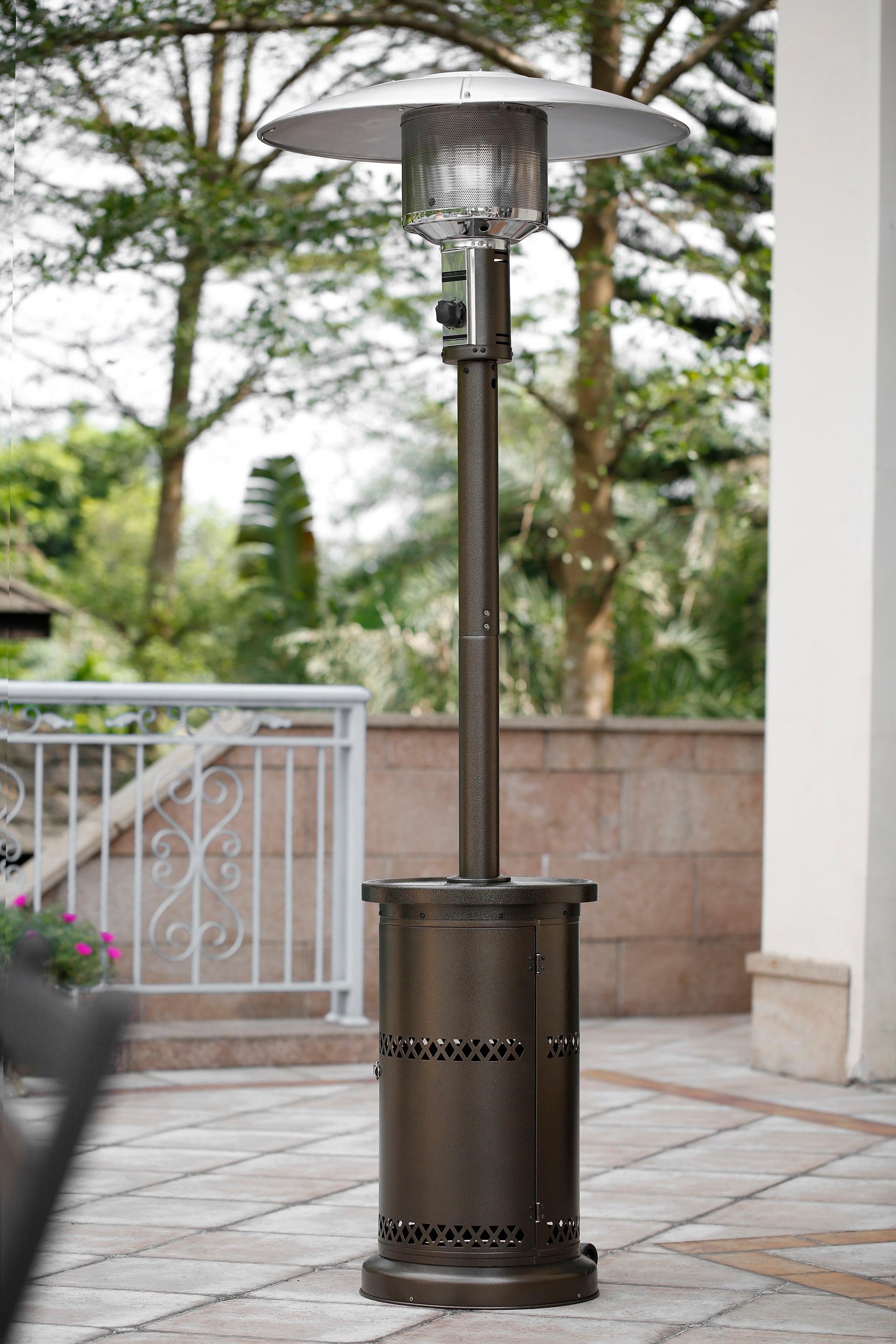
Credit: www.materiaiscastanheira.com.br
Estimating Heater Runtime
The runtime of a patio heater depends on the size of the propane tank and how much fuel it uses. Propane tanks come in different sizes, like 5, 10, 20, and 30 pounds. Larger tanks hold more fuel and last longer. A heater that uses 20,000 BTUs per hour will burn about 0.5 pounds of propane each hour.
Here is a simple table showing estimated runtimes for common tank sizes and a 20,000 BTU heater:
| Tank Size (lbs) | Fuel Weight Used Per Hour (lbs) | Approximate Runtime (hours) |
|---|---|---|
| 5 | 0.5 | 10 |
| 10 | 0.5 | 20 |
| 20 | 0.5 | 40 |
| 30 | 0.5 | 60 |
To maximize heating duration, use a larger tank or lower the heater’s flame setting. Turning the heater off when not needed saves fuel. Regularly check your tank to avoid running out of propane.
Factors Affecting Heater Runtime
The runtime of a patio heater depends on several key factors. Understanding these helps you choose the right propane tank size. It also helps you manage your heater’s fuel efficiently. Knowing what affects runtime can save you from unexpected fuel runs.
Heater Btu Rating
The BTU rating shows how much heat the heater produces. Higher BTUs mean more fuel use per hour. A heater with 40,000 BTUs burns propane faster than one with 20,000 BTUs. Check your heater’s BTU to estimate how long the tank will last.
Outdoor Temperature Impact
Colder air makes the heater work harder to keep warm. This means it uses more propane in cold weather. On mild nights, the heater may run longer on the same tank. Always consider the temperature when planning heater use.
Usage Frequency
The more often you use the heater, the quicker the propane runs out. Continuous use drains the tank fast. Short, occasional use stretches the fuel longer. Track how often you turn on the heater to predict tank needs.
Refilling And Safety Tips
Refilling your patio heater’s propane tank is important for continuous warmth. Safety should always come first during refilling and handling. Knowing proper steps helps avoid accidents and keeps your heater working well.
Safe Handling Practices
Always check the tank for damage before use. Never use a tank with dents or rust. Keep the valve closed when the tank is not in use. Use gloves when handling propane tanks to protect your hands. Avoid dropping or shaking the tank. Keep the tank upright during transport and storage. Make sure connections are tight and leak-free before lighting the heater.
When To Refill Your Tank
Refill the tank before it runs completely empty. Running out of propane can damage the heater. Check the tank gauge regularly to know the fuel level. A good rule is to refill when the tank is about one-quarter full. This ensures you have enough fuel for your next use. Always refill at a certified propane filling station.
Storage Recommendations
Store propane tanks outside in a well-ventilated area. Never store tanks indoors or in enclosed spaces. Keep the tank away from heat sources and direct sunlight. Place tanks on a flat, stable surface to avoid tipping. Cover the tank with a protective cap when not connected to the heater. Regularly inspect tanks for leaks or damage during storage.
Portable Vs. Permanent Tank Options
Choosing the right propane tank for your patio heater affects convenience and safety. There are two main options: portable tanks and permanent installations. Each option offers unique benefits and challenges. Understanding these can help you pick the best fit for your outdoor space.
Pros And Cons Of Portable Tanks
Portable tanks are easy to move and replace. They usually come in smaller sizes, like 20 pounds. This makes them light and simple to carry. You can store them away when not in use.
These tanks are great for renters or those who change locations often. You only pay for the propane you use. But portable tanks run out faster and need frequent refilling.
There is a risk of leaks if the tank is not handled properly. Also, some areas have rules about storing propane tanks indoors. Always check local laws before using portable tanks.
Advantages Of Permanent Installations
Permanent propane tanks are larger and stay fixed in one place. They hold more propane, so refilling happens less often. This option suits bigger outdoor spaces and frequent heater use.
Permanent tanks connect directly to your patio heater with pipes. This setup looks neat and reduces trip hazards. It also keeps your propane supply steady and reliable.
Installation requires professional help and higher upfront costs. But it offers better safety and convenience over time. Permanent tanks add value to your home and outdoor area.
Extending Heater Efficiency
Extending the efficiency of your patio heater is key to enjoying warmth longer. The size of your propane tank affects how long the heater runs without refilling. Using the right tank size helps maintain steady heat output and saves money. Simple steps can keep your heater working well and reduce fuel waste.
Small changes in setup and care make a big difference in performance. These tips ensure your heater uses propane efficiently for cozy outdoor comfort.
Proper Placement And Wind Protection
Place the heater in a sheltered spot to block strong winds. Wind cools the heater and wastes propane. Use walls or screens as wind barriers. Keep the heater on a flat surface to avoid tipping. Avoid placing near open doors or windows that cause drafts. These steps keep heat focused and reduce fuel use.
Regular Maintenance Tips
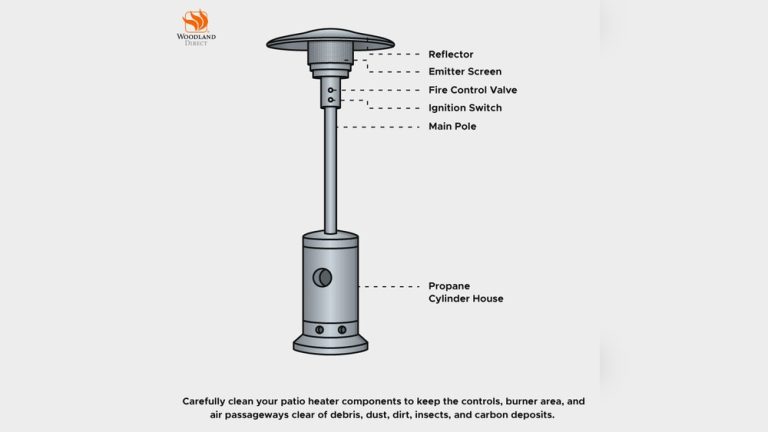
Clean the burner and gas lines often to avoid blockages. Dirt or spider webs reduce flame quality and heat output. Check for leaks in hoses and connections regularly. Replace damaged parts quickly to keep safe and efficient operation. Store the propane tank in a cool, dry place when not in use. Proper care helps the heater last longer and perform better.

Credit: www.sportyard.sa
Frequently Asked Questions
What Size Propane Tank Fits Most Patio Heaters?
Most patio heaters use a standard 20-pound propane tank. This size balances portability and burn time. Larger tanks are less common but can be used with adapters for extended use.
How Long Does A 20-pound Tank Last In Patio Heaters?
A 20-pound propane tank typically lasts 8 to 10 hours. Actual duration depends on the heater’s BTU rating and flame setting. Higher heat settings consume fuel faster.
Can I Use A Bigger Propane Tank For Patio Heaters?
Yes, you can use bigger tanks with proper regulators. Larger tanks provide longer heating time but reduce portability. Always ensure your heater supports the tank size and pressure.
How Do I Know When To Refill My Propane Tank?
Check the tank’s weight or use a gauge to monitor fuel levels. Warning signs include a drop in heat output or flame size. Regularly inspect tanks for safety.
Conclusion
Choosing the right propane tank size keeps your patio heater running longer. A bigger tank means more heat and less refilling. Small tanks suit short use or small spaces. Think about how often and how long you use your heater.
Safety matters; always check for leaks and handle tanks carefully. Proper tank size saves money and boosts comfort outside. Enjoy warm evenings without worry or hassle. Simple steps make your outdoor space cozy and inviting.