
Is your tabletop patio heater refusing to stay lit? You’re not alone, and it can be incredibly frustrating when you’re trying to enjoy a cozy evening outside.
Imagine sitting around your patio, ready to relax, but your heater keeps going out. What if you could fix this problem quickly and get back to warmth without hassle? You’ll discover simple reasons why your heater won’t stay lit and easy steps to solve it.
Keep reading you’re just moments away from enjoying a steady, comforting flame all night long.
Common Causes Of Flame Issues
Tabletop patio heaters sometimes have trouble staying lit. This issue often comes from common problems with the flame. Understanding these causes helps to fix your heater quickly. Each part plays a role in keeping the flame burning steady.
Gas Supply Problems
Gas supply is the first thing to check. Low gas pressure or an empty tank stops the flame. A kinked or blocked hose can cut off gas flow. Always ensure the gas valve is fully open. Without enough gas, the flame cannot stay lit.
Ignition System Faults
The ignition system creates the spark to light the flame. Dirt, wear, or damage can stop it from working. A weak spark means the gas won’t ignite. Sometimes the igniter button fails or the battery runs out. Regular cleaning and checks keep ignition reliable.
Clogged Burner Ports
Burner ports let gas flow out for burning. Dust, spider webs, or debris can block them. Clogged ports cause an uneven or weak flame. Use a soft brush or compressed air to clean the ports. Clear ports help the flame burn strong and steady.
Thermocouple Malfunctions
The thermocouple senses the flame’s heat to keep gas flowing. If it is dirty or broken, it shuts off gas as a safety measure. A faulty thermocouple causes the flame to go out quickly. Testing and replacing this part often solves flame issues.
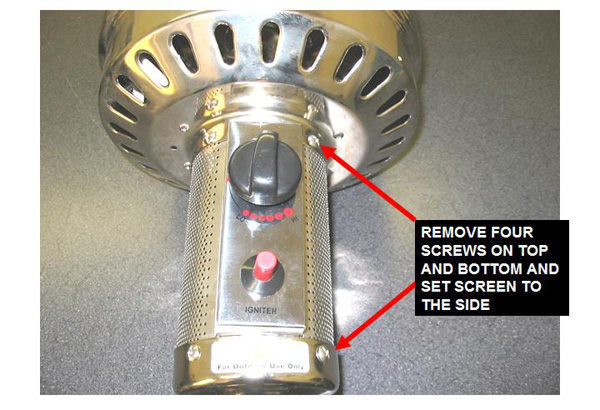
Credit: azpatioheaters.com
Checking The Gas Supply
Checking the gas supply is the first step to fix a tabletop patio heater that won’t stay lit. The heater needs a steady flow of gas to keep the flame burning. Without enough gas, the flame will go out quickly. This section explains how to check the gas tank, the connections, and the gas flow.
Inspecting The Gas Tank
Start by looking at the gas tank. Make sure it has enough fuel. A low or empty tank will stop the heater from working. Check the tank for any damage or rust. A damaged tank can cause leaks and make the heater unsafe. Replace the tank if you see cracks or dents.
Ensuring Proper Connections
Next, check all connections between the tank and the heater. Loose or broken connections can block the gas flow. Tighten any loose fittings with a wrench. Look for cracks or holes in the hose. Replace any damaged hoses to keep the gas flowing safely.
Testing Gas Flow
Test the gas flow by opening the valve slowly. You should hear a soft hissing sound. This means gas is moving through the line. If you don’t hear anything, the gas might be blocked. Turn off the valve and check for clogs or kinks in the hose. Clear any blockages before trying again.
Fixing Ignition Problems
Fixing ignition problems is key to keeping your tabletop patio heater working well. A heater that won’t stay lit can be frustrating and cold. Most ignition issues come from dirt, broken parts, or wrong settings. Simple fixes can bring warmth back quickly. Understanding the ignition system helps to spot the problem fast.
Cleaning The Igniter
Dirt and debris often block the igniter. Use a soft brush or cloth to clean it gently. Make sure the area around the igniter is free of dust. Cleaning ensures the spark can jump easily. A clean igniter lights the gas without trouble.
Replacing Faulty Spark Modules
Spark modules control the spark that lights your heater. A broken module stops the spark from forming. Check for cracks or damage on the module. Replace the faulty module with a new one for better performance. A good spark module keeps the heater lit consistently.
Adjusting Ignition Timing
Ignition timing tells the heater when to spark. Wrong timing can cause the flame to go out. Adjust the timing by following the heater’s manual. Set the spark to happen just as gas flows. Correct timing makes sure the flame stays strong and steady.

Credit: azpatioheaters.com
Cleaning And Maintaining The Burner
Keeping the burner clean is key to a tabletop patio heater that stays lit. Dirt and debris can block the flame or cause it to go out. Regular cleaning helps the burner work better and last longer. This section explains simple steps to clean and maintain your burner.
Removing Debris And Dirt
Turn off the heater and let it cool completely. Use a soft brush or cloth to wipe away dust and dirt on the burner. Avoid water or harsh cleaners as they may damage parts. Check for leaves, spider webs, or small bugs that may block airflow. Removing these keeps the flame steady and bright.
Unclogging Burner Ports
Burner ports are small holes where gas flows out. These can get clogged with dirt or rust. Use a thin needle or pin to gently clear each port. Do not force or enlarge the holes. Clean ports allow gas to flow freely and create a strong flame. Repeat this step regularly for best results.
Routine Maintenance Tips
Inspect your burner weekly for dirt or blockages. Clean it every few weeks in dusty areas. Store the heater in a dry place to avoid rust. Cover it when not in use to prevent debris buildup. Regular checks and cleaning keep your heater safe and working well.
Thermocouple Troubleshooting
The thermocouple is a small but crucial part of your tabletop patio heater. It senses the flame and tells the gas valve to stay open. If the heater won’t stay lit, the thermocouple might be the problem. Troubleshooting it can save time and money.
Many issues come from a dirty or misaligned thermocouple. Testing and adjusting this part often solves the problem. Below are easy steps to check your thermocouple and fix it if needed.
Testing The Thermocouple
Turn off the heater and let it cool. Locate the thermocouple near the burner. Use a multimeter to test its voltage. A good thermocouple should read about 25 to 30 millivolts when heated. No or low reading means the thermocouple is faulty. You can also test by holding the flame to the tip and checking if the gas valve stays open.
Realigning Or Replacing Parts
The thermocouple must touch the flame properly. If it is bent or too far, the heater won’t stay lit. Gently bend it closer to the flame without touching the burner. Clean the tip with fine sandpaper if it looks dirty. If these steps do not work, replace the thermocouple with a new one. Make sure the new part matches your heater model exactly.
Safety Checks And Precautions
Safety checks and precautions are key when using a tabletop patio heater. They help prevent accidents and keep the heater working well. Regular checks can find small problems before they become big issues. Follow simple steps to stay safe and enjoy your heater without worry.
Leak Detection Methods
Check for gas leaks before lighting the heater. Use a soap and water mix on the hose and connections. Bubbles show a leak. Never use a flame to check for leaks. If you smell gas, turn off the heater and move it outside. Fix leaks before using the heater again.
Safe Handling Practices
Always place the heater on a flat, stable surface. Keep it away from flammable objects like curtains or paper. Never touch the heater while it is on or hot. Turn off the gas supply when not in use. Store the heater in a dry place to avoid rust and damage.
When To Call A Professional
Call a professional if you cannot find the cause of the problem. Avoid fixing gas parts yourself. Professionals have the right tools and knowledge. They ensure repairs are safe and last long. Regular professional checks can keep your heater working well and safe.
Frequently Asked Questions
Why Won’t My Tabletop Patio Heater Stay Lit?
Your heater might not stay lit due to a faulty thermocouple, clogged burner, or low gas supply. Check these parts for dirt, damage, or gas flow issues. Regular maintenance helps prevent these problems.
How Do I Fix A Tabletop Patio Heater That Won’t Light?
Start by cleaning the burner and checking the gas supply. Inspect the thermocouple for damage. Replace faulty parts if needed. Follow manufacturer guidelines for safe repairs and proper ignition.
Can Wind Cause My Patio Heater To Go Out?
Yes, strong wind can blow out the flame on your tabletop patio heater. Position the heater in a sheltered spot or use a wind guard to maintain consistent flame.
Is Low Propane Causing My Heater To Go Out?
Low propane levels can cause the flame to extinguish. Always check the gas tank before use. Replace or refill the propane tank to ensure continuous operation.
Conclusion
A tabletop patio heater that won’t stay lit can be frustrating. Check the fuel supply and clean the burner regularly. Make sure the igniter works and the safety features are not blocking ignition. Small fixes often solve this issue. Keep your heater well-maintained to enjoy warm outdoor moments longer.
Don’t ignore any warning signs. Safe and steady flames create a cozy space for your patio gatherings. Simple care keeps your heater working smoothly season after season.