Is your tabletop patio heater refusing to warm up your outdoor space? It’s frustrating when you’re ready to enjoy a cozy evening, but your heater just won’t cooperate.
You rely on that little heater to keep chills away, yet now it feels useless.
Keep reading to discover the common reasons your tabletop patio heater isn’t working and easy steps you can take to bring back the warmth you deserve.
Common Issues For Tabletop Patio Heater Not Working
Tabletop patio heaters often stop working due to a few common problems. Knowing these issues helps you fix the heater quickly. Most problems involve parts that control the gas and flame. Checking each part can save time and money.
Ignition Problems
The ignition system lights the heater. If it fails, the heater won’t start. Dirt or moisture can block the spark. Sometimes the igniter is broken or worn out. Cleaning or replacing the igniter often solves this issue.
Gas Supply Issues
Gas is the fuel for the heater. A low or empty gas tank means no heat. The gas valve might be closed or stuck. Gas lines can get kinked or blocked. Check the tank and valves for proper gas flow.
Thermocouple Faults
The thermocouple stops gas flow if the flame goes out. A faulty thermocouple cuts the gas supply wrongly. Dirt or damage can cause this fault. Cleaning or changing the thermocouple restores safe operation.
Blocked Burner
Burners mix gas and air for the flame. Dirt or spider webs can block burner holes. A blocked burner reduces or stops the flame. Cleaning the burner holes clears the blockage and helps the heater work properly.

Credit: www.youtube.com
Safety Checks
Safety is the top priority when using a tabletop patio heater. Performing safety checks helps prevent accidents and ensures the heater works correctly. Take time to inspect the heater before use.
Gas Leak Detection
Check the gas connections carefully for leaks. Use soapy water on the hose and joints. Bubbles show a leak that needs fixing. Never use a flame to check for leaks. Turn off the gas if you detect any leaks. Repair or replace faulty parts before use.
Proper Ventilation
Use the heater in an open area. Good airflow helps avoid gas buildup. Avoid using the heater indoors or in closed spaces. Proper ventilation reduces the risk of carbon monoxide poisoning. Keep the heater away from walls and ceilings.
Stable Placement
Place the heater on a flat, stable surface. Avoid uneven or slippery areas that cause tipping. A stable base stops accidents and damage. Keep the heater away from flammable objects. Secure the heater to prevent movement during use.
Quick Fixes
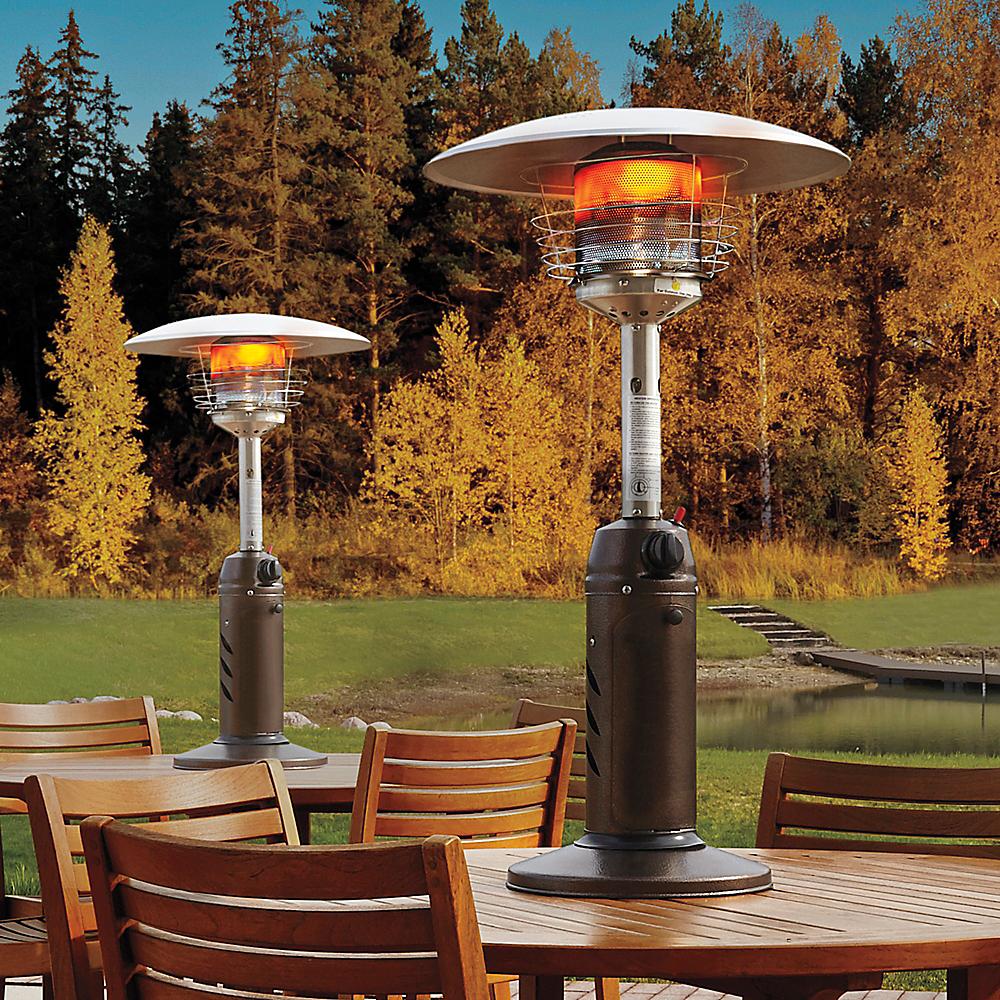
Tabletop patio heaters can stop working for simple reasons. Before calling a repair service, try some quick fixes. These easy steps can often restore heat fast. Save time and money with these quick solutions.
Resetting The Igniter
Turn off the heater and wait a few minutes. Press the igniter button several times. This resets the spark system. Make sure the igniter clicks and sparks. If it doesn’t, try cleaning the igniter next.
Cleaning The Burner
Remove the burner cover carefully. Use a soft brush to clear debris. Dirt can block gas flow and stop ignition. Clean the holes on the burner gently. After cleaning, try lighting the heater again.
Replacing Batteries
Check the battery compartment in the igniter. Old batteries lose power and fail to spark. Replace them with fresh, new batteries. Ensure the batteries fit the correct way. Test the igniter after replacing batteries.
Adjusting The Gas Flow
Locate the gas valve near the fuel source. Turn the valve slightly to increase gas flow. Too low gas stops the flame from lighting. Avoid opening it too much for safety. Light the heater after adjusting the valve.
Credit: www.sportyard.sa
Maintenance Tips
Keeping your tabletop patio heater in good shape extends its life. Regular care stops many common problems. Simple maintenance tasks help your heater work safely and well. Follow these tips to avoid frustration and enjoy warmth longer.
Regular Cleaning
Dust and dirt can block the heater’s parts. Clean the surface with a soft cloth. Use mild soap and water for stubborn spots. Avoid harsh chemicals that can damage the finish. Make sure the heater is off and cool before cleaning. Check the burner area for debris often. A clean heater runs better and safer.
Seasonal Storage Advice
Store your heater indoors during cold months. Keep it in a dry place to stop rust. Cover the heater with a cloth or plastic sheet. Remove the gas tank or disconnect power if possible. Proper storage prevents damage and keeps the heater ready for use. Take it out and check before the next season.
Checking For Wear And Tear
Look at all parts for signs of damage. Check hoses, connections, and the burner regularly. Replace cracked or worn parts quickly to avoid leaks. Listen for unusual sounds during operation. Smell for gas leaks or strange odors. Early checks prevent bigger problems and keep you safe.
When To Call A Professional
Tabletop patio heaters add warmth and comfort to outdoor spaces. Sometimes, they stop working. Knowing when to call a professional can save time and keep you safe. Some problems are simple, but others need expert help. Watch for signs that need skilled attention.
Persistent Ignition Failures
Ignition problems can be frustrating. Pressing the ignition button many times with no success is a warning. The issue might be more than a dirty spark or low battery. A technician can check the ignition system and fix hidden faults. Avoid trying to force it, which may cause damage.
Gas Leak Concerns
Gas leaks are dangerous and need immediate action. If you smell gas or hear a hissing sound, stop using the heater. Do not try to fix the leak yourself. A professional has the right tools to find and repair leaks safely. This protects your home and family from harm.
Complex Repairs
Some heater problems involve many parts or electrical components. Complex repairs require special knowledge and experience. Attempting these fixes alone can be risky and costly. Calling a professional ensures proper repair and maintains your heater’s performance. Trust experts to handle tough repairs correctly.
Credit: compassbank.us
Frequently Asked Questions
Why Is My Tabletop Patio Heater Not Igniting?
Your heater might lack gas or the ignition system could be faulty. Check the propane tank level and ensure the igniter spark works properly. Clean the burner and ignition components to remove dirt or debris for better performance.
How Do I Fix A Tabletop Patio Heater Pilot Light?
First, turn off the heater and wait for it to cool. Clean the pilot light and thermocouple gently with a soft brush. Ensure the gas supply is on and the pilot flame is steady and blue, not yellow or flickering.
What Causes Uneven Heating In Patio Heaters?
Uneven heating often results from clogged burners or blocked vents. Dirt and debris restrict gas flow, causing cold spots. Regular cleaning and proper maintenance ensure even gas distribution and consistent heat output for your tabletop heater.
How Can I Prevent My Patio Heater From Shutting Off?
Automatic shutoff usually occurs due to overheating or low gas. Make sure the heater is on a flat surface and has adequate ventilation. Regularly check gas levels and clean components to maintain safe and continuous operation.
Conclusion
A tabletop patio heater not working can be frustrating. Check the fuel source and connections first. Clean the heater regularly to avoid blockages. Make sure the ignition system is working properly. Small fixes often solve the problem quickly. Taking care of your heater extends its life.
Stay warm outside even on cooler nights. Simple steps can bring your heater back to life. Keep your patio cozy and enjoy every moment. Don’t let a small issue spoil your outdoor time.