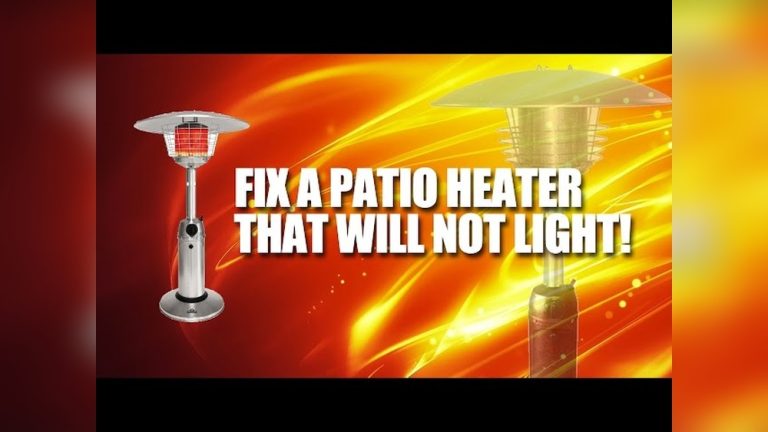
Is your patio heater not lighting up when you need it most? It’s frustrating to stand outside, ready to relax, only to find your heater won’t spark to life.
You’re not alone—many people face this issue, but the good news is that most problems are simple to fix. You’ll discover easy steps to get your patio heater glowing warmly again. Keep reading to learn how to troubleshoot your heater quickly and enjoy cozy outdoor moments without the chill.
Common Causes Of Patio Heater Issues
Patio heaters can stop lighting for several reasons. Understanding common causes helps fix the problem fast. Most issues relate to gas supply, ignition, or burner parts. Checking these areas saves time and effort.
Gas Supply Problems
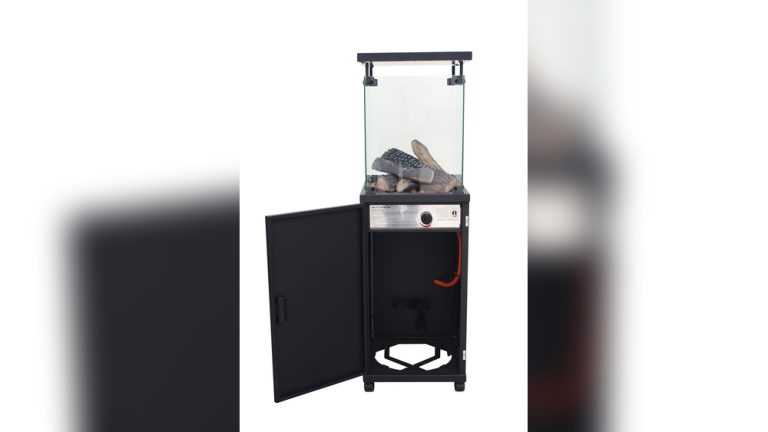
Gas supply issues often prevent the heater from lighting. The propane tank might be empty or low. The gas valve could be closed or stuck. Sometimes, the gas line has leaks or blockages. These stop gas flow and keep the heater off.
Ignition System Failures
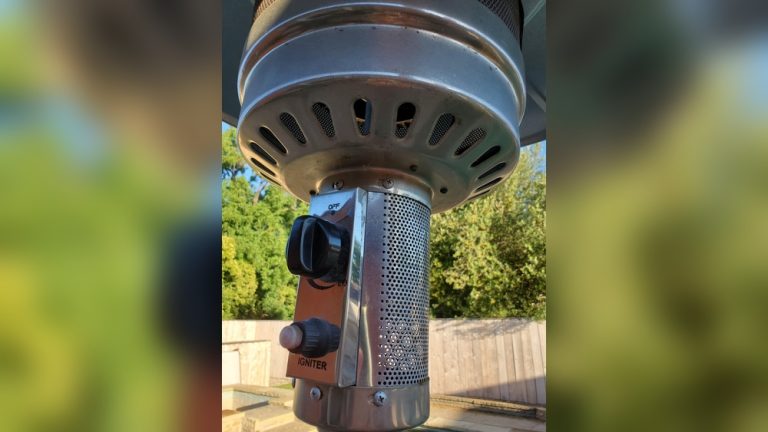
The ignition system starts the flame on the heater. If the igniter is dirty or broken, the heater won’t light. Loose wires or a dead battery can also cause failure. Sparks may not reach the burner, so no flame appears.
Clogged Burner Ports
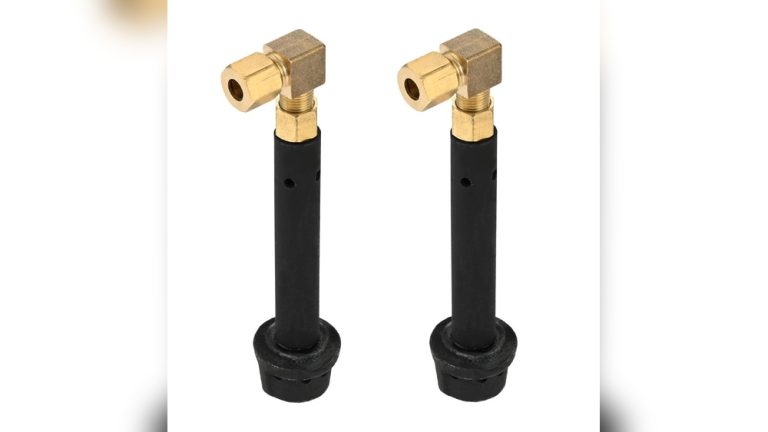
Burner ports can get clogged with dirt, spider webs, or rust. Blocked ports stop gas from flowing evenly. This causes weak or no flame. Regular cleaning of burner ports keeps the heater working well.
Safety Checks Before Troubleshooting
Before trying to fix a patio heater that won’t light, safety checks are very important. These checks help prevent accidents and keep you safe. Always take time to inspect the heater carefully. This way, you avoid risks like gas leaks or fires.
Inspecting Gas Connections
Start by looking at all gas connections. Check if hoses and fittings are tight and secure. Loose connections can stop the heater from lighting. They can also cause gas to leak. Use your hands to feel for any cracks or damage in the hoses. Replace any parts that look worn out.
Checking For Gas Leaks
Gas leaks are dangerous and must be found quickly. Mix soap with water and apply it to the gas connections. Watch for bubbles. Bubbles mean gas is escaping. Never use a flame to check for leaks. If you find leaks, turn off the gas supply immediately. Fix the leak before trying to light the heater.
Ensuring Proper Ventilation
Good air flow is necessary for safe heater operation. Place the heater in an open space outside. Avoid enclosed areas or small rooms. Proper ventilation prevents harmful gases from building up. It also helps the heater burn fuel efficiently. Always follow the manufacturer’s advice about where to use your heater.
Quick Fixes To Try First
Patio heaters may not light for simple reasons. Trying quick fixes first can save time and effort. These easy steps often solve the problem without needing expert help. Start with these simple checks before calling for repairs.
Resetting The Igniter
The igniter may need a reset to spark properly. Turn off the heater and wait a few minutes. Press the igniter button again firmly. Sometimes, a quick reset clears small faults. This can restart the spark and light the burner.
Cleaning Burner Components
Dirt or debris can block the burner from lighting. Use a soft brush or cloth to clean the burner area. Remove dust and spider webs from small holes. Clean parts allow gas to flow and ignite easily. Keep the burner free from build-up for best results.
Replacing Batteries
Many patio heaters use batteries to power the igniter. Weak or dead batteries stop the spark from firing. Open the battery compartment and replace old batteries with new ones. Check battery type before buying replacements. Fresh batteries often fix the ignition problem fast.

Credit: thetorchguys.com
Dealing With Gas Supply Issues
Gas supply problems often cause patio heaters not to light. Checking the gas flow and connections helps find the issue fast. Most of the time, simple fixes restore proper gas supply. This section guides through key steps to check and fix gas supply problems safely.
Checking The Propane Tank
Start by examining the propane tank. Make sure it has enough gas. An empty tank stops the heater from lighting. Check the tank valve is open fully. A closed valve blocks the gas flow. Look for damage or rust on the tank. Replace the tank if it looks unsafe.
Inspecting Gas Valves
Gas valves control the flow of propane to the heater. Inspect the valves for dirt or damage. Dirt can stop valves from opening properly. Turn valves on and off to test smooth movement. Replace any valves that feel stuck or broken. Tighten loose connections around the valves carefully.
Clearing Gas Lines
Gas lines can get clogged with dirt or debris. Blockages stop gas from reaching the burner. Disconnect the gas line carefully. Blow through the line to clear small clogs. Use a soft brush to clean the inside if needed. Reconnect the gas line tightly before testing the heater.
Fixing Ignition System Problems
Fixing ignition system problems is key to getting your patio heater working again. The ignition system creates the spark that lights the gas. If the spark does not work, the heater will not light. Checking and fixing this system can save you time and money.
Testing The Spark Igniter
Start by checking the spark igniter for any damage. Turn off the gas and power before testing. Press the igniter button and watch for a spark near the burner. No spark means the igniter is faulty or dirty. Clean the igniter with a soft cloth if dirty. Use a multimeter to test for electrical continuity. A broken igniter needs replacement to fix the problem.
Replacing Faulty Igniter Parts
Buy the correct replacement parts for your patio heater model. Remove the old igniter carefully, noting how it fits. Install the new igniter in the same position. Tighten any screws or connections firmly. Turn the gas and power back on. Test the igniter again to ensure it sparks. Replacing faulty parts often restores your heater’s function quickly.

Credit: www.youtube.com
Maintenance Tips To Prevent Future Problems
Keeping your patio heater in good shape helps avoid lighting problems. Simple maintenance steps extend its life and keep it working safely. Regular care saves time and money on repairs. Follow these tips to keep your heater ready for chilly evenings.
Regular Cleaning Schedule
Clean your patio heater often to stop dirt buildup. Use a soft cloth to wipe the surface and remove dust. Clear the burner area gently to avoid damage. Check for spider webs or insects that block gas flow. Clean the ignition system carefully to ensure sparks.
Proper Storage Practices
Store your heater in a dry, sheltered place when not in use. Cover it with a waterproof cover to protect from rain and dust. Keep it away from harsh weather like snow or strong winds. Make sure the gas cylinder is turned off and disconnected before storing. Proper storage prevents rust and gas leaks.
Seasonal Inspection
Inspect your patio heater before each season starts. Look for cracks, rust, or loose parts that need fixing. Check the gas hose for holes or wear and replace if needed. Test the ignition and burner to ensure they work well. Regular checks catch problems early and keep the heater safe.
When To Call A Professional
Knowing when to call a professional for your patio heater is important. Some issues can be fixed at home. Others need expert help. Calling a professional saves time and keeps you safe. It also prevents more damage to the heater. Read on to learn key signs and safety tips.
Signs Of Major Malfunctions
Watch for these signs that mean serious problems:
- The heater won’t light at all, even after several tries.
- You hear strange noises like hissing or popping.
- There is a strong smell of gas near the heater.
- The flame is weak, flickering, or uneven.
- The control knobs don’t work properly or feel stuck.
These problems often need tools and skills only a professional has.
Safety Concerns
Gas leaks are very dangerous and need quick action. Do not try to fix them yourself. Carbon monoxide buildup is another risk. It can cause sickness or worse. Professionals have the right equipment to check for leaks and blockages. They also ensure the heater is safe to use again.
Professional Repair Options
Experts can diagnose and fix many issues quickly. They can replace faulty parts like igniters or valves. Some offer regular maintenance to keep your heater working well. Choose a certified technician with good reviews. This choice protects your investment and your safety.

Credit: uniqueautosoundny.com
Frequently Asked Questions
Why Is My Patio Heater Not Lighting?
Your patio heater may not light due to an empty gas tank, clogged burner, or faulty ignition. Check gas supply first. Clean burner ports if dirty. Inspect ignition system for damage or wear to ensure proper lighting.
How Do I Fix A Patio Heater Ignition Problem?
Replace batteries in the ignition system if applicable. Clean ignition electrode and surrounding area of debris. Ensure proper gas flow and reset the heater. If issues persist, consult the user manual or a professional technician.
Can A Blocked Burner Cause Patio Heater Failure?
Yes, blocked burners restrict gas flow and prevent ignition. Clean burner holes with a soft brush or compressed air. Regular maintenance helps avoid buildup of dirt, insects, or rust that can block the burner.
Is Propane Supply The Common Issue For Heater Not Lighting?
Yes, an empty or low propane tank is a frequent cause. Ensure the tank valve is fully open. Check for leaks or damaged hoses. Refill or replace the propane tank if necessary to restore proper function.
Conclusion
A patio heater not lighting can cause frustration. Check the fuel supply and connections first. Clean the burner and ignition system carefully. Ensure safety by inspecting for leaks or damage. Small fixes often solve the problem quickly. Regular maintenance keeps your heater working well.
Enjoy warm outdoor moments without hassle. Stay patient and follow simple steps. Your patio heater will light up soon.