
Is your gas patio heater not working like it used to? You rely on it to keep your outdoor space warm and cozy, especially when the chill sets in.
When it stops working, it can be frustrating and ruin your plans. But don’t worry—you don’t have to call a professional right away or give up on your heater. In this guide, you’ll find simple, clear steps to troubleshoot common problems with your gas patio heater.
By the end, you’ll know exactly what to check and how to fix it, so you can enjoy your patio warmth again without hassle. Keep reading to get your heater back in action quickly!

Credit: www.materiaiscastanheira.com.br
Common Gas Patio Heater Issues
Gas patio heaters provide warmth during cool evenings. They are simple devices but can face common problems. Knowing these issues helps you fix them fast. This saves time and keeps your heater working well.
No Ignition
No ignition means the heater does not light up. This problem can happen if the battery in the igniter is dead. Dirt or dust on the igniter can also stop it from sparking. Check the igniter and clean it carefully. Replace the battery if needed.
Weak Flame
A weak flame is small and flickers. This can happen if the gas pressure is low. The gas valve might not be open fully. Sometimes, dirt blocks the burner holes. Clean the burner and open the gas valve all the way. This often fixes the weak flame.
Pilot Light Problems
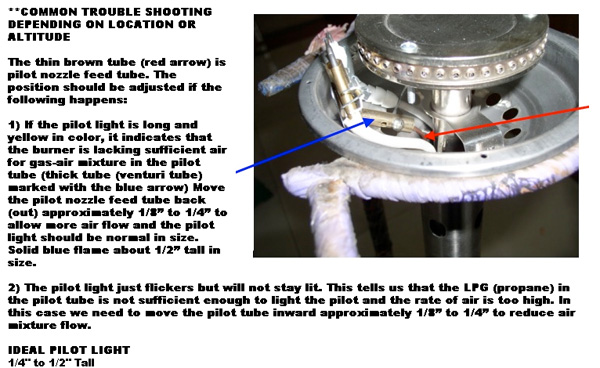
The pilot light may go out or not stay lit. Wind or a dirty pilot tube can cause this. Check the pilot light area and clean it with a soft brush. Make sure the flame is steady and blue. A yellow or flickering flame shows a problem.
Gas Odor Detection
Smelling gas means a leak. This is very dangerous. Turn off the gas supply immediately. Do not light the heater or any flames. Check hoses and connections for cracks or loose fittings. Call a professional if you find a leak or cannot fix it.
Safety Precautions
Safety is the top priority when using a gas patio heater. Taking the right precautions prevents accidents and keeps everyone safe. Always follow these safety steps before and during heater use. Simple checks can stop serious problems.
Turning Off Gas Supply
Always turn off the gas supply after using the heater. Locate the gas valve and close it tightly. This stops gas flow and prevents leaks. Never leave the gas on when the heater is not in use. Turning off the gas reduces fire risks.
Checking For Leaks
Check for gas leaks regularly. Mix soap with water and apply it to connections. Look for bubbles, which show leaks. If bubbles appear, turn off the gas immediately. Fix leaks before using the heater again. This simple test keeps your area safe.
Proper Ventilation
Use the heater in a well-ventilated space. Gas heaters produce carbon monoxide, which is dangerous. Open doors and windows to allow fresh air. Avoid using heaters in enclosed areas. Good airflow keeps harmful gases from building up.
Ignition Troubleshooting
Ignition problems are common with gas patio heaters. They stop you from enjoying warmth outdoors. Fixing ignition issues often involves simple steps. These steps save time and avoid repair costs.
Cleaning The Igniter
Dirt and debris can block the igniter. Use a soft brush to clean it gently. Remove any dust around the spark area. Cleaning helps the igniter create a strong spark. Check the igniter after cleaning for better results.
Replacing Batteries
Some gas patio heaters use batteries for ignition. Weak batteries cause weak or no spark. Open the battery compartment carefully. Replace old batteries with fresh, correctly sized ones. Test the ignition after battery replacement. This simple step often restores ignition function.
Manual Ignition Methods
Manual ignition works when the igniter fails. Use a long match or lighter to light the burner. Turn the gas knob slowly while lighting. Keep hands away from the flame for safety. Manual lighting is a quick fix until the igniter works again.

Credit: www.youtube.com
Fixing Flame Issues
Flame issues in gas patio heaters can stop your warmth quickly. Flames may flicker, go low, or fail to light properly. Fixing these problems is often simple. Basic checks and small fixes can restore strong, steady heat. Understanding key steps helps you keep your heater safe and working well.
Adjusting Gas Flow
Gas flow affects flame size and strength. Too little gas makes flames weak or small. Too much gas causes large, smoky flames. Find the gas control knob on your heater. Turn it slowly to change the flame size. Aim for a steady, bright blue flame with a small yellow tip. Check for leaks before adjusting gas flow. Use soapy water on connections to spot bubbles. No leaks mean safe gas flow adjustment.
Cleaning Burners
Burners can get dirty from dust or bugs. Dirt blocks gas flow and weakens flames. Remove the burner cover carefully. Use a soft brush to clean dirt and debris. Avoid harsh chemicals that can damage metal parts. After cleaning, dry the burner completely. Reassemble the heater and test the flame. Clean burners create smooth, even flames for better heat.
Clearing Blockages
Blockages in gas lines or burner holes stop flame flow. Check burner holes for spider webs or dirt. Use a thin wire or needle to clear small holes. Inspect gas lines for bends or kinks that block flow. Straighten lines gently to improve gas travel. Clear blockages improve flame quality and heater safety. Regular checks keep your patio heater ready for use.
Pilot Light Solutions
The pilot light is a small flame that ignites the main burner of your gas patio heater. It is essential for starting and keeping the heater running. Problems with the pilot light are common and can stop your heater from working. Simple checks and fixes can solve many pilot light issues.
Relighting The Pilot
First, turn off the gas supply to the heater. Wait five minutes to clear any gas build-up. Find the pilot light knob and turn it to the “pilot” position. Press the knob down and use a lighter or match to light the pilot. Hold the knob for 30 seconds after lighting. Release it slowly. The pilot light should stay on.
Inspecting Thermocouples
The thermocouple is a safety device near the pilot light. It senses if the flame is lit and controls the gas flow. Check the thermocouple for dirt or damage. Clean it gently with fine sandpaper or a cloth. Make sure it touches the pilot flame. A loose or dirty thermocouple can stop the pilot light from staying lit.
Replacing Faulty Parts
Some parts wear out and need replacing. If cleaning does not help, the thermocouple or pilot assembly may be faulty. Buy the exact replacement part for your heater model. Turn off the gas and disconnect the heater before replacing parts. Follow the instructions carefully or ask a professional for help. New parts can restore safe and reliable heater operation.
Maintaining Your Heater
Maintaining your gas patio heater is key to keeping it safe and working well. Regular care helps avoid problems and extends the life of the heater. Small efforts can prevent big issues later. Follow simple steps to keep your heater clean, stored properly, and checked by professionals.
Regular Cleaning Tips
Clean the heater often to remove dust and dirt. Use a soft cloth to wipe the surface. Avoid using harsh chemicals that may damage parts. Check the burner for spider webs or debris. Clear any blockages gently with a brush. Clean the reflector to improve heat output. Regular cleaning helps the heater work efficiently.
Seasonal Storage Advice
Turn off the gas and disconnect the tank before storing. Store the heater in a dry, cool place to avoid rust. Cover it with a breathable cover to keep dust out. Avoid damp areas that can cause damage. Check the heater for leaks or damage before storing. Proper storage keeps the heater safe for the next season.
Professional Servicing
Have a professional inspect your heater each year. They check gas lines, valves, and safety features. Professionals clean parts that are hard to reach. Fix small issues before they become dangerous. Regular servicing ensures your heater stays safe and reliable. Trust experts to keep your heater in top shape.
When To Call A Professional
Gas patio heaters are great for outdoor warmth. Sometimes, small issues can be fixed easily. Other times, problems need expert help. Knowing when to call a professional saves time and keeps you safe.
Trying to fix complex problems alone can cause more damage. Professionals have the right tools and knowledge. They find and fix hidden issues quickly and correctly.
Identifying Complex Problems
Some heater problems look simple but are not. Strange noises, persistent gas smell, or uneven heat need expert checks. If the heater won’t light after several attempts, it may have a deep issue. Faulty valves, blocked burners, or gas leaks require professional attention. Don’t guess or force repairs on these parts.
Ensuring Safety Compliance
Gas heaters use flammable fuel and need careful handling. Professionals follow safety rules and local codes. They ensure repairs do not cause leaks or fire risks. Incorrect repairs can lead to carbon monoxide buildup or explosions. Hiring a pro protects your home and family. Safety checks also keep your warranty valid.
Credit: azpatioheaters.com
Frequently Asked Questions
Why Is My Gas Patio Heater Not Lighting?
Your gas patio heater may not light due to an empty propane tank, clogged burner, or faulty ignition. Check the fuel level first. Clean the burner and ensure the igniter sparks properly. Replace any damaged parts if necessary.
How To Fix Low Flame On A Gas Patio Heater?
Low flame usually indicates a blocked burner or low gas pressure. Clean the burner ports and check for obstructions. Verify the propane tank valve is fully open. Adjust the gas regulator if needed to increase pressure.
What Causes Gas Patio Heater To Turn Off Suddenly?
A gas patio heater can shut off due to overheating or a safety shut-off feature triggering. Inspect the thermocouple and ensure proper ventilation. Clean the heater regularly to prevent overheating and check for gas leaks.
How Do I Reset My Gas Patio Heater?
To reset, turn off the heater and gas supply. Wait for five minutes to cool down. Turn the gas back on, then ignite the heater as per the manufacturer’s instructions. This often resolves minor ignition issues.
Conclusion
Troubleshooting your gas patio heater can save time and money. Check connections and fuel levels first. Clean the burner and pilot light regularly. Make sure the gas valve opens fully. Listen for unusual sounds or smells. Small fixes often solve common problems quickly.
Stay safe by turning off gas before repairs. Regular care keeps your heater working well. Enjoy warm outdoor moments without worry. Simple steps help your heater last longer. Keep this guide handy for easy reference.